
The latest escalation in the Canada-U.S. trade dispute is expected to create new challenges for some Canadian industries, even as economists suggest the broader economy may avoid major damage in the near term.
New import bans announced by U.S. President Donald Trump took effect at 12:01 a.m. ET Tuesday, blocking a range of Canadian products from entering the American market.
The measures affect certain alcoholic beverages, dairy byproducts and motorcycles, among other goods.
The restrictions mark another step in a widening trade conflict that has strained relations between the two countries and left negotiations stalled.
Ottawa says protecting Canadians remains the priority
Canada-U.S. Trade Minister Dominic LeBlanc's office said Monday the federal government's main focus remains protecting Canadians from the fallout of the dispute.
The government's top priority, the office said, is "protecting and supporting Canadian workers, farmers, families and businesses from these unjustified actions."
The new import bans are the latest attempt by the Trump administration to pressure Canada into making concessions at the negotiating table.
Official trade discussions between the two countries collapsed last month, with both sides accusing the other of introducing last-minute changes during negotiations.
Trump predicts Canada will return to talks
Despite the breakdown, Trump indicated this week that he expects talks to resume soon.
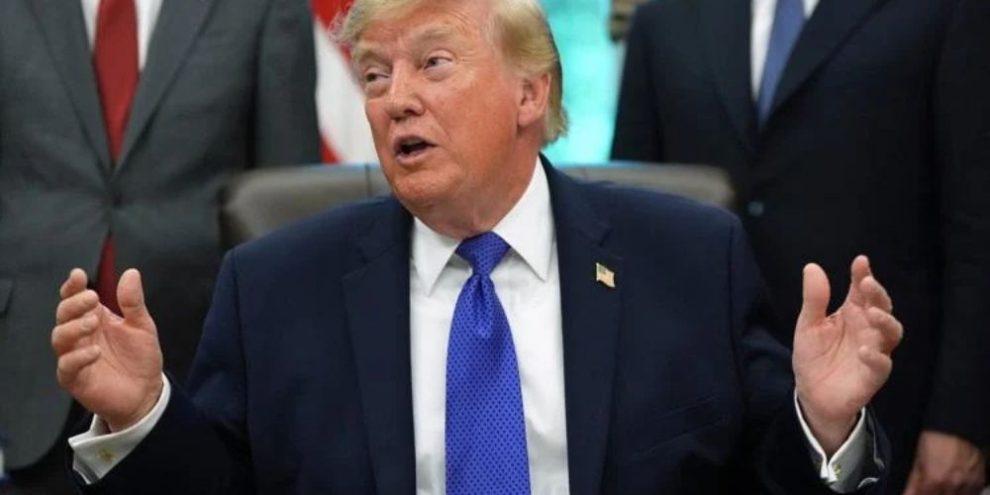
"I think what's going to happen is over the next three or four weeks, they're going to come to us and they're gonna say, 'We're gonna get rid of all the tariffs,'" Trump told reporters in the Oval Office.
"We're going to win everything."
The comments came as the U.S. moved ahead with the latest restrictions and continued applying pressure through other trade measures.
What the economic impact could look like
While the affected sectors could face significant consequences, analysts suggest the overall impact on Canada's economic growth may be more limited, at least in the short term.
The latest bans apply to a relatively narrow group of products compared with the much larger volume of Canada-U.S. trade.
That means businesses directly involved in the affected industries could see severe disruptions, while the wider economy may be better positioned to absorb the shock.
Trade fight has widened beyond import bans
The current dispute extends well beyond Tuesday's restrictions.
In the hours after negotiations broke down in August, the United States imposed 50 per cent tariffs on a range of Canadian goods. Ottawa later responded with tariffs of its own.
Trump subsequently signed an order directing some federal agencies to remove Canadian products from procurement lists before moving ahead with the new import bans.
The president also signed an executive order changing the name of Lake Ontario to Lake America.
Canada continues to face an additional 10 per cent tariff that the Trump administration says is linked to forced labour concerns within supply chains. Those duties do not apply to goods that comply with the Canada-U.S.-Mexico Agreement, known as CUSMA.
Meanwhile, Canada's steel, aluminum, automotive and cabinetry sectors remain subject to separate U.S. sector-specific tariffs.
As tensions persist and formal negotiations remain on hold, businesses on both sides of the border are watching closely to see whether the pressure campaign succeeds in bringing the two countries back to the bargaining table.
- with files from the Canadian Press