Food experts and economists expect the global run-up in diesel prices will have consumers bracing for a tough winter at the grocery store.
The ongoing war in Iran has driven a global energy shock that has spurred higher prices on regular gasoline as well as diesel. The closure of the Strait of Hormuz is disrupting oil shipments from the Gulf region, as well as other critical inputs such as fertilizer.
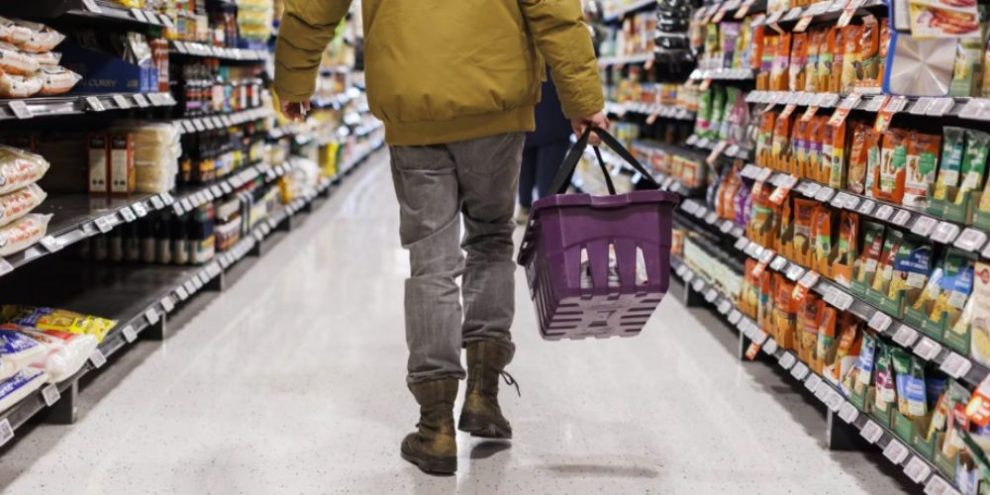
The diesel that fuels trucks and ships is a key input for Canada's food supply chain, where high transportation costs feed directly into the price consumers see on store shelves.
Statistics Canada's dashboard tracking cost hikes across the food supply chain shows that diesel prices were up 75 per cent year-over-year in August.
Mike von Massow, food economist at the University of Guelph, said that "as diesel prices go up, food prices go up relatively across the board."
The pressure of higher diesel prices is less significant in the summer when more grocery staples are grown and shipped from Canadian farms, requiring less travel.
But that advantage wanes as colder weather hits Canada and more of food is imported from the United States and overseas.
Food travelling far distances or requiring refrigeration — fresh vegetables, primarily — will be most vulnerable to higher transportation costs in the weeks ahead, von Massow suggested.
Von Massow said Thanksgiving marks the seasonal time for harvest, and could represent a turning point for food prices as Canadian supply chains shift away from homegrown commodities.
"Thanksgiving is all about celebrating what we're producing in Canada. So it is the price increases we'll see beyond Thanksgiving that I think we need to pay attention to."
Heading into the fall, food inflation had shown signs of cooling. At 2.8 per cent in August, Statistics Canada says inflation at the grocery store fell below the annual headline rate for the first time in more than two years.
Randall Bartlett, deputy chief economist at Desjardins, said strength in the Canadian dollar to start the year and Ottawa's removal of counter-tariffs in September 2025 have helped reduce recent pressures at the grocery store.
But the past few months have seen the loonie sink in value compared with its U.S. counterpart.
A re-escalation in the trade dispute with the United States also had Canada imposing retaliatory tariffs on some agricultural parts and machinery.
Bartlett said that could put new pressures on farmers heading into the fall harvest.
"We think there is a confluence of forces that's likely to lead food inflation higher going forward," he said.
Barrie's News Delivered To Your Inbox
By submitting this form, you are consenting to receive marketing emails from: Central Ontario Broadcasting, 431 Huronia Rd, Barrie, Ontario, CA, https://www.cobroadcasting.com. You can revoke your consent to receive emails at any time by using the SafeUnsubscribe® link, found at the bottom of every email. Emails are serviced by Constant Contact
Another bout of food inflation could alter consumption patterns substantially, said Amar Singh, senior director and head of Canadian retail insights at Kantar.
He said some shoppers may switch to cheaper options, for instance, or avoid fresh fruits and vegetables, which tend to be more expensive during winter months.
“Basically, you reduce consumption, just have the essentials and cut down on the frills,” he said.
The Bank of Canada's second-quarter survey of consumer expectations showed Canadians are continuing to report widespread concerns about higher prices.
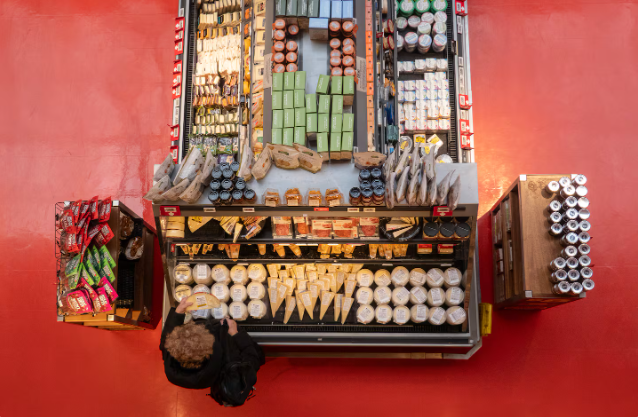
Those who anticipated inflationary pressures from the war in the Middle East were more likely to cut back on spending or trade down for cheaper items, the central bank's survey suggested.
“Canadian shoppers are very anxious about what’s happening and they’re preparing for that," Singh said.
That will affect more than just how people eat, he said.
“People will host less; there will be no lavish parties that people spend on."
Fewer dishes on the table during festivities and a drop in consumption affect grocers, which means less innovation, Singh said. “That's going to have a domino effect on our economy.”
Higher diesel prices are mutually bad for retailers and consumers, said Michael Mulvey, marketing professor at the University of Ottawa.
Retailers don't like messing with prices because consumers prefer price stability. So they'll try to resist price increases for as long as possible, he said.
But grocers hike prices, Mulvey said: "People may cut back on their consumption. Your forecast may not match. You have extra inventory.”
“It's a challenge for both.”
There’s often a lag before retailers pass on costs by raising prices. It takes time to fully reflect in consumer goods and can take longer to come off — even after input costs come down.
“This gets complicated because there's a lot of transportation contracts that are set with months of planning, embedded within it,” Mulvey said.
Food inflation, which includes both restaurants and grocery stores, soared in the aftermath of the COVID-19 pandemic, peaking at 10.4 per cent in January 2023. That rate has broadly declined since, though the pace of price hikes briefly spiked again in late 2025 and early 2026.
But a slowdown in food inflation — the rate prices increase on an annual basis — is not the same as outright price declines.
Prices at the grocery store in August were up 29 per cent from five years ago, StatCan said, with staples like beef and coffee seeing some of the biggest proportional jumps.
"We've seen this cumulative effect of price increases over time that has built this sustained pressure on Canadian households," von Massow said.
Singh said lower-income households are suffering the brunt of price jumps on staple items and lagging income growth.
"Their wages haven't kept up with the increase in prices. That erodes their disposable income."
This report by The Canadian Press was first published Oct. 9, 2026.