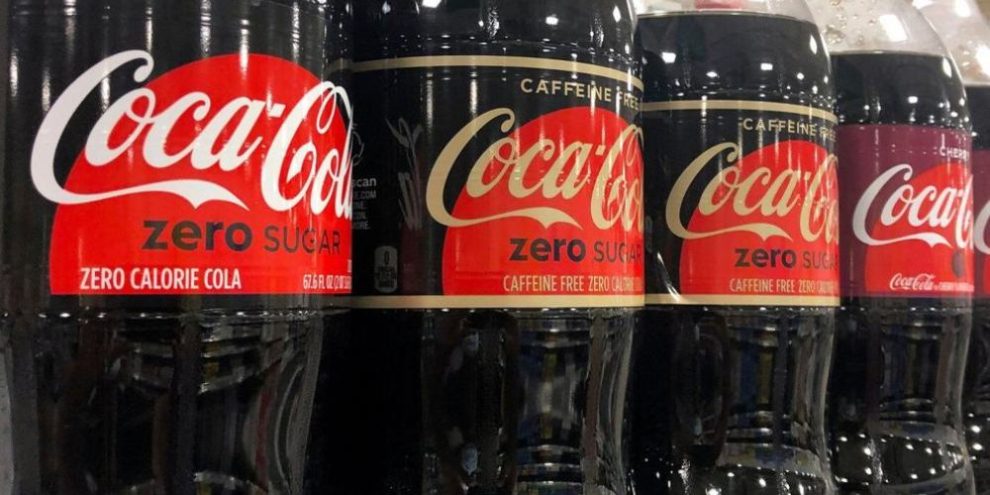
The city of San Francisco filed a lawsuit against some of the top food manufacturers arguing ultraprocessed food from the likes of Coca-Cola and Nestle is responsible for a public health crisis.
City Attorney David Chiu named 10 companies in the lawsuit, including the makers of such popular foods as Oreo cookies, Sour Patch Kids, Kit Kat, Cheerios and Lunchables. The lawsuit argues that ultraprocessed foods are linked to diseases such as Type 2 diabetes, fatty liver disease and cancer.
“They took food and made it unrecognizable and harmful to the human body,” Chiu said in a news release. "These companies engineered a public health crisis, they profited handsomely, and now they need to take responsibility for the harm they have caused.”
Ultraprocessed foods include candy, chips, processed meats, sodas, energy drinks, breakfast cereals and other foods that are designed to “stimulate cravings and encourage overconsumption,” Chiu's office said in the release. Such foods are “formulations of often chemically manipulated cheap ingredients with little if any whole food added,” Chiu wrote in the lawsuit.
The other companies named in the lawsuit are PepsiCo; Kraft Heinz Company; Post Holdings; Mondelez International; General Mills; Kellogg; Mars Incorporated; and ConAgra Brands.
None of the companies named in the suit immediately responded to emailed requests for comment.
U.S. Health Secretary Robert F. Kennedy Jr. has been vocal about the negative impact of ultraprocessed foods and their links to chronic disease and has targeted them in his Make America Healthy Again campaign. Kennedy has pushed to ban such foods from the Supplemental Nutrition Assistance Program for low-income families.
An August report by the U.S. Centers for Disease Control and Prevention found that most Americans get more than half their calories from ultraprocessed foods.
In October, California Gov. Gavin Newsom signed a first-in-the-nation law to phase out certain ultraprocessed foods from school meals over the next decade.
San Francisco's lawsuit cites several scientific studies on the negative impact of ultraprocessed foods on human health.
“Mounting research now links these products to serious diseases—including Type 2 diabetes, fatty liver disease, heart disease, colorectal cancer, and even depression at younger ages," University of California, San Francisco, professor Kim Newell-Green said in the news release.
The lawsuit argues that by producing and promoting ultraprocessed foods, the companies violate California’s Unfair Competition Law and public nuisance statute. It seeks a court order preventing the companies from “deceptive marketing” and requiring them to take actions such as consumer education on the health risks of ultraprocessed foods and limiting advertising and marketing of ultraprocessed foods to children.
It also asks for financial penalties to help local governments with health care costs caused by the consumption of ultraprocessed foods.