Most people know tick bites can cause Lyme disease. But there's another consequence of a tick bite that far fewer people are aware of, one that could permanently change what you're able to eat.
Alpha-gal syndrome (AGS) is an allergic condition triggered by tick bites that causes people to develop a serious reaction to red meat and other mammal-based products. It's emerging as a significant public health concern in the United States, and with tick populations shifting northward due to climate change, Canadian health officials are paying attention.
What is alpha-gal syndrome?
Alpha-gal is a sugar molecule found in the meat and tissues of most mammals, including beef, pork, lamb, venison and others. It's also present in some mammal-derived products like gelatin and dairy.
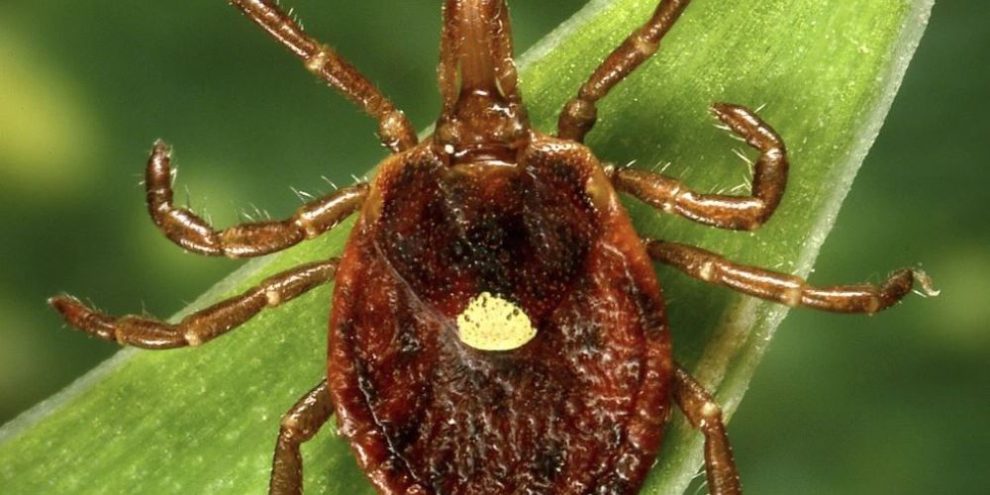
When a lone star tick bites a person, it introduces alpha-gal into the bloodstream through its saliva. For some people, this triggers an immune response. From that point on, eating red meat or other mammal products can cause a serious allergic reaction.
What makes alpha-gal syndrome particularly difficult to identify is the timing.
Unlike most food allergies, which cause a reaction within minutes of eating, AGS typically develops two to six hours following consumption of red meat or meat products. That delay makes it easy to miss the connection between the food and the reaction.
"I never connected it with any food because it was hours after eating," said Bernadine Heller-Greenman, a patient diagnosed with the condition.
How common is it?
Alpha-gal syndrome is far more common in the United States than most people realize, and experts believe the true number of cases is significantly undercounted.
Since 2010, more than 100,000 people in the U.S. have developed alpha-gal syndrome from a lone star tick bite. A second report estimated that it could actually be 450,000 people who have AGS, making it the 10th most common allergy in the U.S.
Part of the reason cases are undercounted is that many doctors aren't familiar with the condition. A survey of 1,500 U.S. primary care doctors found that nearly half had never heard of alpha-gal syndrome, and only 5% said they felt confident they could diagnose it.
What about Canada and Ontario?
Right now, the risk for Ontarians is considered low, but it's not zero, and it's worth understanding why that could change.
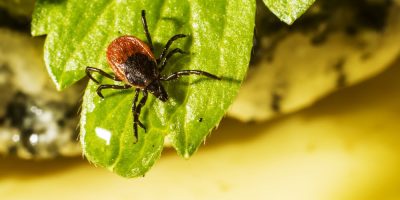
The risk of locally acquired AGS among Ontarians is low, since the primary tick responsible, the lone star tick, is not established in the province, but has occasionally been detected. However, climate change will make previously unfavourable habitat in Ontario more suitable for lone star ticks to survive the province's winters, aiding in their incursion and establishment.
Lone star ticks are already showing up in Ontario in small numbers. Between 50 and 85 lone star ticks are submitted annually through passive surveillance in the province, compared to the thousands of blacklegged ticks and American dog ticks submitted every year. Most are removed from people who recently travelled to the U.S., but some are found on people with no travel history, likely carried in on migratory birds.
Public Health Ontario released a report on alpha-gal syndrome in January 2024, flagging it as an emerging issue that healthcare providers in the province need to be aware of.
What are the symptoms?
Symptoms of alpha-gal syndrome can range from mild to life-threatening and typically appear two to six hours after eating red meat or mammal-derived products. The most commonly reported symptoms are:
- dermatological (hives, swelling and itching)
- anaphylaxis
- gastrointestinal symptoms (abdominal pain, diarrhea and vomiting)
- respiratory symptoms
Some people only experience stomach symptoms, which makes the condition even harder to identify.
The American Gastroenterological Association recommends that people with unexplained diarrhea, nausea and abdominal pain be tested for the syndrome.
In severe cases, the reaction can cause anaphylaxis, a life-threatening response that requires emergency treatment.
What triggers a reaction?
Red meat is the most common trigger, but it's not the only one. Beef, pork, lamb and venison are all known to cause reactions.
In case reports of 232 patients with AGS, the most common food items that caused an allergic reaction were beef, pork, lamb and gelatin-containing products. Dairy can also be a trigger for some people.
Certain organ meats like kidneys, heart and liver may cause faster or more severe reactions, according to Public Health Ontario's 2024 report.
Is there a cure?
There is currently no cure for alpha-gal syndrome. Management involves avoiding red meat and mammal-derived products, carrying epinephrine in case of accidental exposure and avoiding further tick bites.
The allergy can fade in some people over time. Dr. Scott Commins, a University of North Carolina researcher who has studied the condition extensively, has seen that happen in about 15% to 20% of his patients. But the key is staying tick-bite free.
"The tick bites are central to this. They perpetuate the allergy," he said.
One patient's experience
Bernadine Heller-Greenman, a 78-year-old art historian from New York, spent years being bitten by ticks on Martha's Vineyard without connecting it to the strange symptoms she eventually developed. About five years before her diagnosis, she began waking up in the middle of the night with severe, itchy hives on her back, torso and thighs. Her doctors identified an allergic reaction but couldn't pin down the cause.
Then in January 2020, she had a hamburger one day and a large, fatty steak the following evening. Six hours after dinner she woke up nauseated, then spent hours dealing with vomiting, diarrhea and dizziness, passing out three times.
She was diagnosed with alpha-gal syndrome shortly after and told to avoid ticks and stop eating red meat and dairy. Since making those changes, she hasn't had a reaction.
"I feel very lucky, really, that this has worked out for me," she said. "Not all doctors are knowledgeable about this."
Her granddaughter now monitors her diet closely, watching food labels for hidden triggers.
What you can do
The most effective way to reduce your risk of alpha-gal syndrome is the same as reducing your risk of any tick-borne illness: avoid tick bites. If you spend time outdoors in wooded or grassy areas, check yourself thoroughly after coming inside, wear protective clothing and use a repellent registered in Canada.
If you've been bitten by a tick and later develop unexplained allergic reactions after eating meat, especially hours after a meal, talk to your doctor and ask about being tested for alpha-gal syndrome.
For more on ticks in Ontario, including how to identify species, remove a tick and protect yourself and your family, read our full guide: Types of ticks in Ontario and why it matters which one bit you.