Another Ontario First Nation was razed by fire and more people fled their northern communities over the weekend as Prime Minister Mark Carney said more than 5,000 firefighters were battling blazes across the country.
Carney said he visited federal workers in Ottawa on Sunday morning who are helping with wildfire response efforts in northwestern Ontario and other provinces.
Extreme heat waves and dry conditions have made this year "one of the most intense wildfire seasons in Canadian history," the prime minister said in a social media post.
Nearly 1,000 wildfires are blazing from coast to coast and almost 200 of them are in northern Ontario, causing more destruction.
Chief Pauline Drake of Whitewater Lake First Nation said Sunday that a wildfire destroyed much of the remote community about 250 kilometres north of Thunder Bay, Ont.
"Homes, personal belongings and vital community infrastructure have been lost," Drake wrote in a statement.
"The lands that hold the graves of ancestors and recently departed family members have also been impacted, deepening the grief felt by community members."
Michael Heintzman, a spokesperson for Nishnawbe Aski Nation that represents dozens of First Nation communities, said members of Whitewater Lake First Nation were still in the community when the fire reached its doorstep.
The First Nation had been monitoring the fire since July 13 with help from local outfitters in the area, Heintzman said.
"They never received official notice from the province that the fire was approaching their community," Heintzman said, noting that the majority of residents are now sheltering in Thunder Bay.
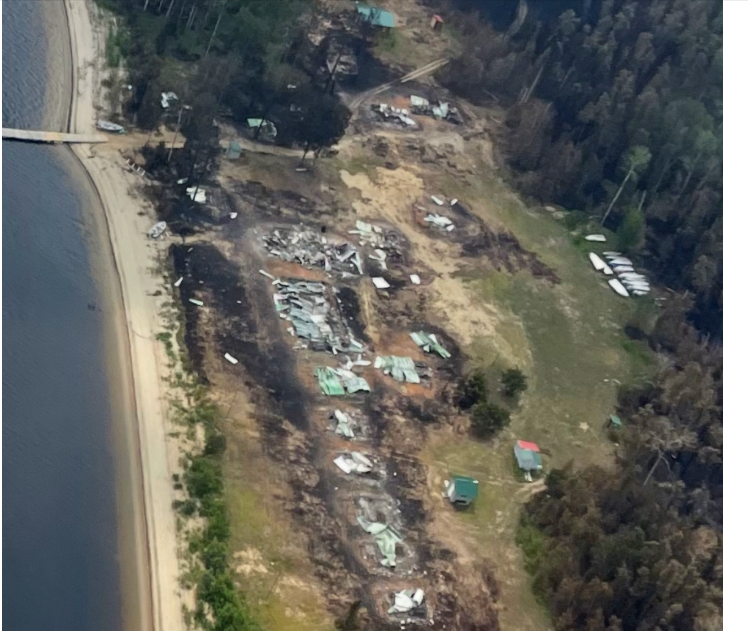
Earlier this week, Namaygoosisagagun First Nation — also known as Collins First Nation — was destroyed by a fast-moving fire. Dramatic photos and videos showed residents fleeing in boats as a huge wall of smoke and flames rose behind them.
More than 200 kilometres north of Collins First Nation, another community was in the process of evacuating on the weekend.
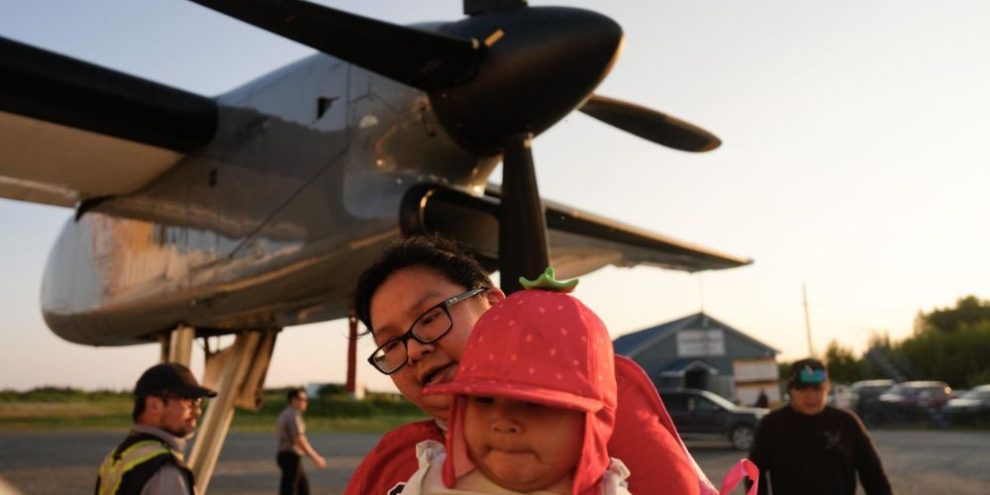
Neskantaga First Nation chartered three flights to evacuate about 95 residents from the fly-in community to Thunder Bay on Saturday, Chief Gary Quisess said. Another evacuation flight is scheduled for Monday and evacuees will travel onwards to Toronto as Thunder Bay faces a shortage of hotel rooms.
Quisess said smoke has been filling people's homes while food and water deliveries to the remote community have been interrupted by wildfires. He wanted to get people out before the situation worsens.
"Safety, the food security, there's no guarantee there," the chief said in an interview.
Neskantaga First Nation declared a state of emergency on Thursday. While there is no provincial evacuation order for the community, and the wildfire danger rating in the area was listed as moderate on Sunday afternoon, Quisess said some residents have spotted new wildfires closing in.
The chief said he has asked the Ministry of Natural Resources to investigate.
Quisess said it's been frustrating feeding updates to the province about the wildfire conditions in the area, instead of the other way around, as many other evacuated First Nations have said the province left them in the dark.
The province has defended its wildfire response, with Premier Doug Ford saying all available resources were being used to tame the blazes and help evacuees.
Emergency Preparedness Minister Jill Dunlop said in a memo Sunday that mayors, First Nations chiefs, police chiefs and others can request that Alert Ready messages be sent to residents via television, radio and mobile devices.
The Alert Ready system is used countrywide to alert the public to emergencies such as tornadoes, wildfires and Amber Alerts.
In a letter to Ontario's heads of council, Dunlop said the province was "expanding access" to the system because of this year's significant wildfire season. But her office did not immediately respond when asked if First Nations chiefs and others listed already had the ability to make such alert requests.

The province has also faced criticism for its handling of some evacuations after residents of Whitesand First Nation and Collins First Nation fled approaching wildfires without help from the province.
The province said recent rain in northern Ontario has helped slow some wildfires, but Natural Resources Minister Mike Harris said Saturday the region needs sustained rainfall to quell the blazes.
Multiple northern communities have already been evacuated or have evacuations underway, and others are preparing for possible evacuations.
This report by The Canadian Press was first published July 19, 2026.