Ontario's doctors are calling on the province to reform access to specialist care, drop the use of fax machines and launch a provincewide central intake so they can end their patchwork process of finding specialized care for patients through group chats and social media.
The Ontario Medical Association said a recent survey shows one third of patients with a chronic condition are waiting six months or longer to see a specialist.
The problem has become so pervasive that doctors say they now reach out to physicians in some ad hoc group chats or on social media to find a specialist with reasonable wait times to see their patients.
"These delays have real consequences and people are growing frustrated," OMA president Dr. Rebecca Hicks said on Monday.
Problems accessing specialist care have led patients to hospital emergency departments instead, she said.
The association said it wants the province to expand team-based care within specialist practices, something the province has had success with for its primary care initiative.
The province is using the team-based model to link every Ontarian to primary care, rather than trying to link everyone to a family doctor. The team-based model combines family physicians with nurses and a number of other health-care providers like nurse practitioners, physiotherapists and occupational therapists.
"Giving doctors access to nurses, allied health professionals and administrative support can increase capacity, improve co-ordination, and help more patients receive treatment sooner," Hicks said.
The OMA also wants to see a provincewide central intake system for specialist care and diagnostics.
"Patients should be connected to the right provider or service as quickly as possible, regardless of where they live," Hicks said.
Patients are now also waiting longer to get an MRI scan, the association said.
"Since 2022, waits for a non-urgent adult MRI have increased from approximately 70 days to 100 days, and the provincial target is just 28 days," Hicks said. "Every day spent waiting for a diagnostic test can delay the start of treatment."
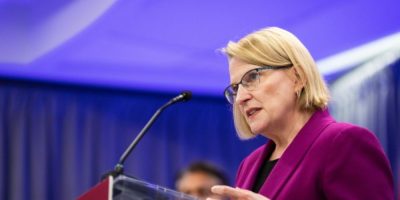
Health Minister Sylvia Jones said the province will work on a centralized intake system for specialized care once they have completed their central intake project for primary care.
"I'm not going to give you a timeline because it is something that physicians have to make the decision that they want to participate in the central referral," Jones said. "What I can tell you is, on the family physician side, the primary care side, they're very excited about it, as are we."
Hicks said OMA is compiling a list of specialists to be able "to do e-referrals instead of e-fax referrals, joining the 21st century."
Jones said in 2023 the province would eliminate faxes in the medical system within five years. On Monday she said they're "working on it," but refused to provide a timeline.
There are centralized intakes in some regions of Ontario for hip and knee replacements, the OMA noted.
"We'd like to see what has worked in those systems and bring it forward as we expand outward," Hicks said.
The situation for specialist referrals has become so untenable that doctors have begun looking elsewhere for help.
"Our physicians are using Facebook groups, WhatsApp groups, to actually find the community-based specialists to connect patients to care," said Dr. Zainab Abdurrahman, a pediatric allergist and immunologist who is a former president of the OMA.
"We need a centralized system that's going to allow for patients to be able to, if they can, go further to get faster care, to be able to know that these opportunities are there, and just to also know who is in practice and where. There's no great way to know when there's a new specialist in your region."
This report by The Canadian Press was first published Nov. 2, 2026.