

The Ontario's Special Investigations Unit (SIU) director says it's found no reasonable grounds to believe an OPP officer committed a criminal offence in connection with firing an anti-riot weapon at a man in Midland on September 29.
That day, at 1:47 p.m., Southern Georgian Bay OPP officers were dispatched to a disturbance at a shelter on Elizabeth Street. According to the director's report, 911 calls had warned about a man wielding a knife and chasing a female nearby.
Once officers arrived, one of them spoke to a witness who pointed them in the direction of the disturbance. Upon seeing the officer, the 28-year-old man fled eastward and crossed King Street and threw his knife away.
In pursuit, the officer then reportedly instructed the man to stop and show his hands. However, once those demands were refused, the officer deployed three rounds from an Anti-riot Weapon Enfield (ARWEN), the last of which struck the man in the arm before he was subsequently arrested.
After he was seen at hospital. no injuries were reported as a result of the discharge. There were also no stab victims from the initial disturbance.
For the investigation, body-worn camera footage from two officers (including the officer that fired the ARWEN) and in-car footage was reviewed, as was OPP communications recordings, photographs and other reporting and records.
The weapon, three rounds and two cases were also examined.
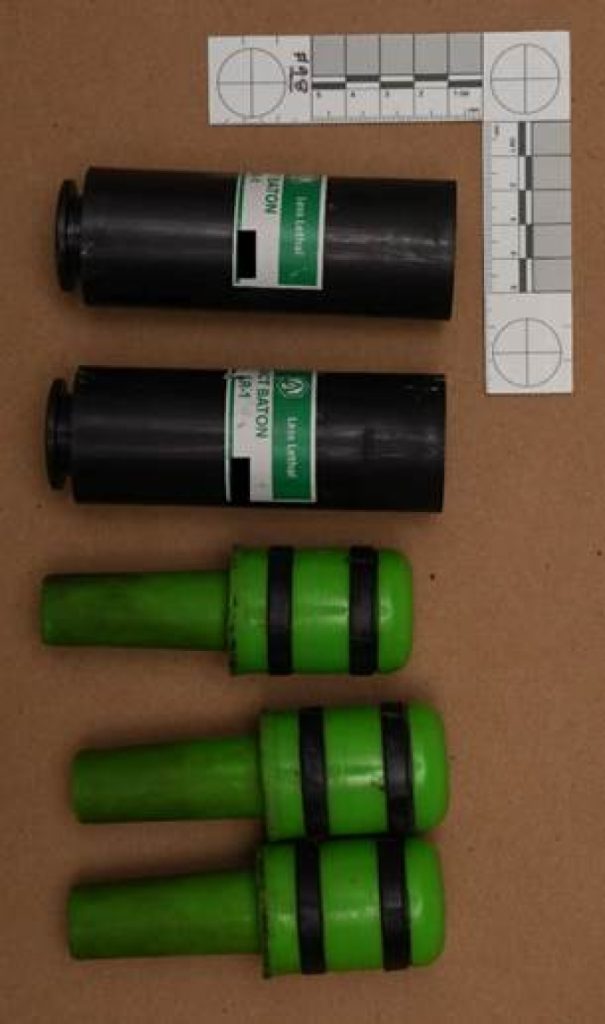
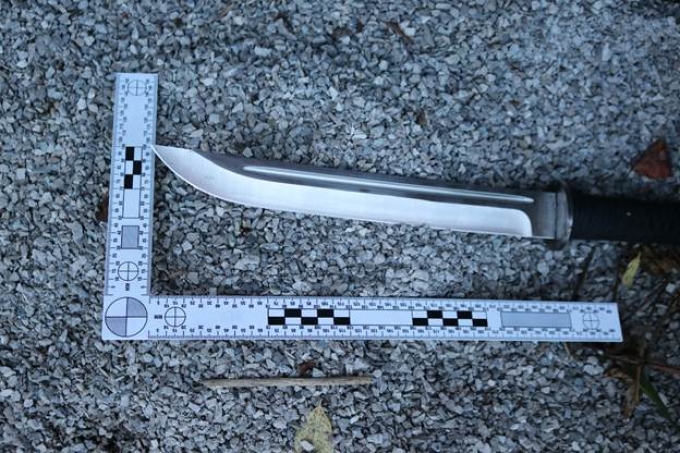
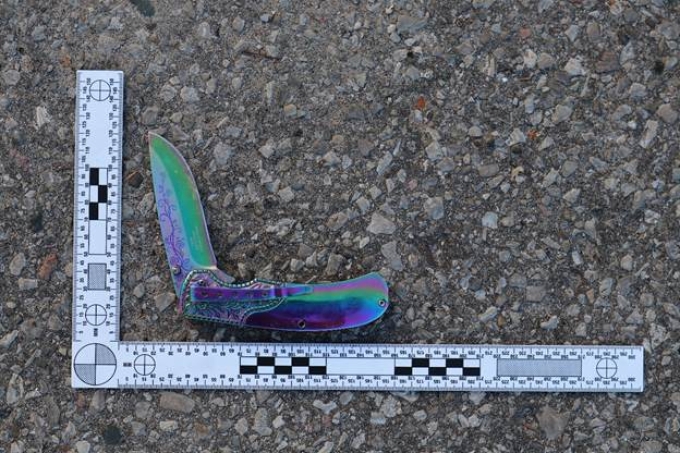
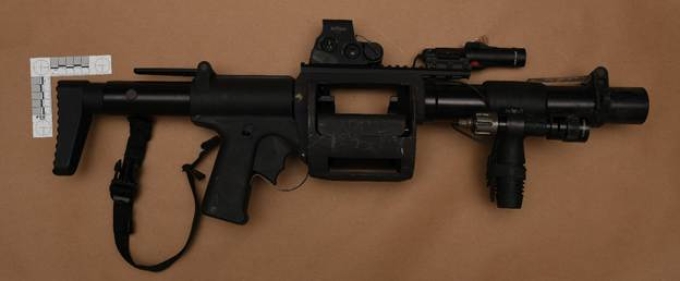
One civilian witness was interviewed along with both officers at the scene.
"Some amount of force was going to be necessary to bring the Complainant’s flight from police to an end and effect his arrest, Joseph Martino, director of the SIU, wrote in his decision. "A physical engagement might have worked to take the Complainant into custody. However, that risked serious injury and possible death coming to the officer if the reported knife in the Complainant’s possession was brought into play.
"Rather, the SO was better advised to attempt to neutralize the Complainant from a distance with his less-lethal weaponry. If the ARWEN worked as intended, the Complainant would be sufficiently impaired by the baton strikes (without the infliction of serious injury) to allow for a window in which the officer could safely approach and take control of him—a not unreasonable outcome."