The Parti Québécois has won a minority government, completing a dramatic political comeback and paving the way for an eventual third sovereignty referendum.
The party was on track to capture nearly 60 seats as the final votes were counted, falling short of the 64 needed to form a majority in Quebec's legislature.
The Coalition Avenir Québec, which has governed the province for the past eight years, was wiped off the map. Even leader Christine Fréchette, who took over following former premier François Legault's resignation earlier this year, failed to win a seat in her hometown of Trois-Rivières.
Charles Milliard's Liberals will form the official Opposition for the third straight election, while the Quebec Conservatives led by Éric Duhaime will make a historic entry into the legislature and gain official party status. The party was leading or elected in 19 seats as of 11 p.m.
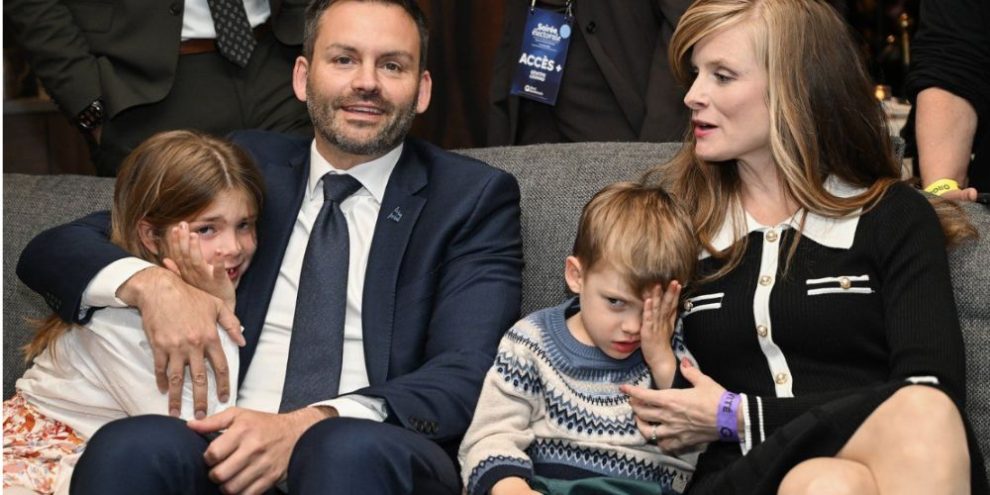
A crowd of PQ supporters exploded with cheers at a watch party in Montreal as they learned their party was declared elected, with supporters dressed in blue and white chanting "Quebec, a country," in French.
"There is a new chapter in our nation that is starting over the next few years," said PQ Leader Paul St-Pierre Plamondon as he addressed a boisterous crowd.
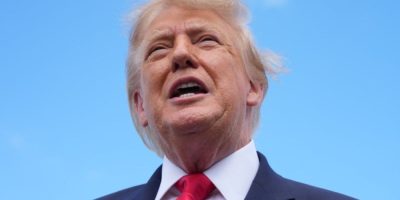
St-Pierre Plamondon had pledged in the campaign to launch a referendum to separate Quebec from Canada, but not before U.S. President Donald Trump leaves the White House in 2029.
However, his path is complicated by the fact that both the Liberal and Conservative leaders have said their parties will fight to stop a sovereignty vote. Québec solidaire, another sovereigntist party, could hold the balance of power and support the PQ's plans for a referendum. Québec solidaire was leading in nine ridings late in the evening.
The PQ has also promised to more than halve temporary immigration in Quebec as well as to table legislation to abolish the monarchy, and diverting funds used to pay the lieutenant-governor to tackling homelessness.
The Parti Québécois won only three seats in 2022, the lowest total ever since the party was founded in 1968. That number increased to seven by the start of the campaign, after four straight byelection wins.
The sovereigntist party capitalized on Quebecers' desire for change after eight years of Coalition Avenir Québec rule in the province. The outgoing governing party struggled to connect with voters due to a series of scandals, unpopular decisions and high-profile departures from its caucus in recent years, culminating in Legault's resignation in January.
The Liberals and leader Milliard were running a strong second with the lead in about 40 ridings two hours after the polls closed. Milliard was declared elected in his riding of Orford shortly after 9 p.m.
Duhaime and the rest of his Conservative team are the first candidates to be elected under the Conservative banner in modern history, although the party has had a recent presence in the legislature in former CAQ member Maïté Blanchette Vézina, who joined the party.
Under Duhaime's leadership, the party surged from a marginal formation that captured less than two per cent of the vote in 2018 to a main player. The party ran a campaign that was largely targeted on key ridings, after failing to capture a seat in 2022 despite getting close to 13 per cent of the vote.
Conservatives were leading in 19 ridings as of 11 p.m., and Duhaime has promised to use his leverage to act as a "guard dog" that will protect taxpayer interests and attempt to block a referendum vote.
It was a quiet night at a Coalition Avenir Québec watch party in Trois-Rivières, where more than half the tables remained empty.
Barrie's News Delivered To Your Inbox
By submitting this form, you are consenting to receive marketing emails from: Central Ontario Broadcasting, 431 Huronia Rd, Barrie, Ontario, CA, https://www.cobroadcasting.com. You can revoke your consent to receive emails at any time by using the SafeUnsubscribe® link, found at the bottom of every email. Emails are serviced by Constant Contact
Fréchette, who replaced Legault as leader and premier in April, took the blame for her party's defeat.
“Quebecers wanted change, and I respect their choice,” Fréchette said.
She spent much of her campaign warning of the dangers of a referendum at a time when the U.S. trade war is destabilizing the economy, and had argued that her party was best placed to guide the province through the storm.
But despite a boost in the polls early in the campaign, she largely failed to make the case that she could offer Quebecers a change in leadership without a change in government.
Québec solidaire co-spokesperson Ruba Ghazal was declared elected in her Montreal riding, as the left-wing sovereigntist party appeared poised to hold onto most of its seats.
She told supporters that her party’s results prove that "the left is still alive and well in the province," and promised to fight the "four shades of right" that the other parties offer.
The same cheers of "Quebec, a country" that were heard in the PQ also echoed through Québec solidaire's Montreal gathering, as Ghazal said the sovereigntist party is looking forward to building a country that is inclusive of everyone, including immigrants, Indigenous people and English speakers.
When the election campaign began, the CAQ held 79 seats, the Liberals had 18, Québec solidaire 11 and the PQ held seven seats. There were nine Independents and one Conservative.
This report by The Canadian Press was first published Oct. 5, 2026.