
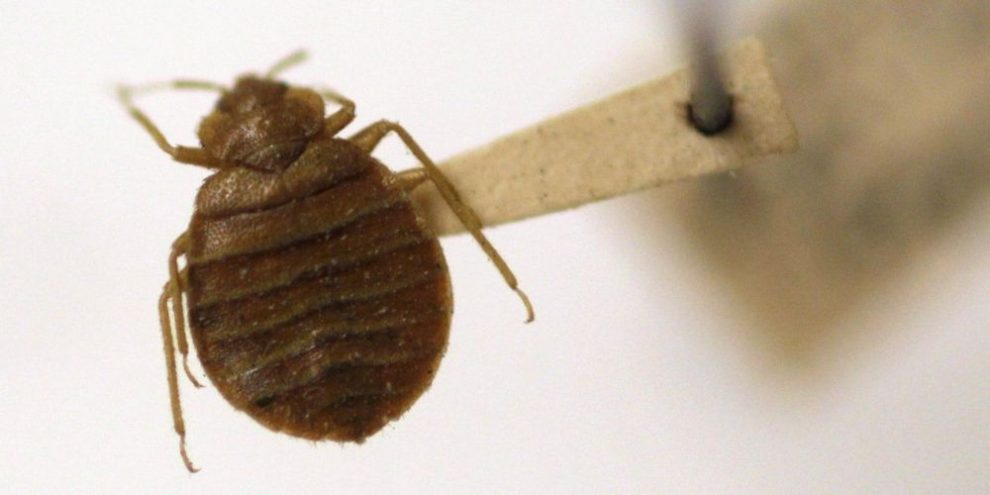
Insects, bats, rodents and other pests have been spotted in federal buildings more than 500 times in the Ottawa area this year, as the government makes plans to get public servants to spend more time in the office.
Amber Sabourin, a spokesperson for Public Services and Procurement Canada, said there were 549 confirmed reports of pests in 93 Crown-owned buildings in the National Capital Region between April 1 and Nov. 24.
Sabourin said the pests included — but were "not limited to" — bats, birds, ants, bedbugs, bees, wasps and other small insects, mice and other rodents.
"In some cases, one pest may lead to multiple confirmed reports if it is observed or reported more than once," Sabourin said. "Therefore, these figures reflect occurrences rather than an exact count of individual pests."
Barrie's News Delivered To Your Inbox
By submitting this form, you are consenting to receive marketing emails from: Central Ontario Broadcasting, 431 Huronia Rd, Barrie, Ontario, CA, https://www.cobroadcasting.com. You can revoke your consent to receive emails at any time by using the SafeUnsubscribe® link, found at the bottom of every email. Emails are serviced by Constant Contact
Sabourin said these are isolated incidents, not outbreaks or infestations.
'Pests are very common in commercial real estate," Sabourin said. "Integrated pest management programs are incorporated into building operations and all reports of pests are taken very seriously and promptly investigated using industry approved methods."
The department was not able to provide a breakdown of which pests were found in which buildings. While the government used to provide this information, Sabourin said compiling the spreadsheets is "very time-consuming and requires significant manual input."
The presence of pests in federal buildings has been raised repeatedly by federal unions — especially in the context of the government's push to get public servants back to the office.
Remote work rules have been an ongoing issue in the public service since COVID-19 forced most federal workers to work remotely in 2020. After public health restrictions began to ease, the federal government moved in 2023 to have workers return to the office two to three days a week.
The current rule, in place since September 2024, requires public servants to work a minimum of three days a week in-office, with executives in office four days per week.
Prime Minister Mark Carney said earlier this month that his government's return-to-office plan will come into "sharper view" over the next several weeks.
Carney said his government will be "engaging with the public sector unions on the modalities" of the back-to-office policy, with details about the plan to be made public "over the course of the next several weeks."
Carney offered few clues about his thinking on the issue. He did say the amount of time public servants will be expected to spend in the office will be set at different levels, depending on individual roles and seniority.
Sylvain Routier, a federal public servant living in the Ottawa area, said he's disappointed by the government's push to increase the amount of time public servants spend the office, citing frustrations with commuting and the high cost of parking.
Routier said pests — including bedbugs — have been reported in his office building three or four times over the past year.
"It's extremely stressful and gross," he said.
Routier said he hopes to see the government invest in its buildings and create a better work environment for employees.
A Treasury Board of Canada Secretariat document shared with The Canadian Press suggests the government was at one point looking at sending all executive staff back to the office five days a week by January 2026.
The document also suggests the government was considering sending all non-executive employees back to the office four days a week by July 2026, with all employees back on site full-time by January 2027.
Treasury Board has not responded to repeated questions about whether discussions on a return-to-office policy are taking place, or when an updated policy might take effect.
This report by The Canadian Press was first published Dec. 17, 2025.