News

Published September 11, 2026

Ottawa ends permanent residency exemption for refugees with undeclared family

By David Baxter
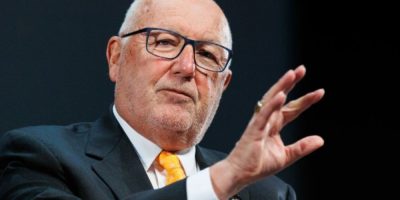
Minister of Immigration, Refugees and Citizenship Lena Metlege Diab rises during question period in the House of Commons on Parliament Hill in Ottawa on Tuesday, May 26, 2026. THE CANADIAN PRESS/Justin Tang

The immigration minister has quietly ended a policy that helped some refugees sponsor their children or partners for permanent residency, while offering refugee advocates no explanation for the change.

The temporary policy allowed certain refugees to sponsor family members who were not initially declared on their own applications.

Under current rules, a permanent resident normally is barred from sponsoring a family member if they did not name them in their documentation.

Permanent resident applicants are required to declare all immediate family members for medical and security screening purposes, even if they aren't coming to Canada.

Advocates and academics successfully argued those rules created gaps that could prevent children and LGBTQ+ partners from being sponsored for permanent residency.

Barrie's News Delivered To Your Inbox

Stay up to date with what Barrie's talking about. Get the latest local news delivered right to your inbox every day. Never miss out on what's going on ...
Subscription Form
Consent Info

By submitting this form, you are consenting to receive marketing emails from: Central Ontario Broadcasting, 431 Huronia Rd, Barrie, Ontario, CA, https://www.cobroadcasting.com. You can revoke your consent to receive emails at any time by using the SafeUnsubscribe® link, found at the bottom of every email. Emails are serviced by Constant Contact

Gauri Sreenivasan, co-executive director of the Canadian Council for Refugees, said one of the most common situations the organization sees involves children who were born after their parent applied for permanent residency, but before they arrived in Canada. Wait times to migrate to Canada from a refugee camp can last years.

"It is very normal and predictable that at some times, a baby is born late in the process," Sreenivasan said.

"So the concern is from families, if I now reapply and explain that there's another baby when I know processing is happening, that it will delay my file. That is an understandable human fear.

"And so we saw, over and over again, babies, children who were left behind and then applied for when (the parent) came with the explanation, 'I was too scared to change my file.'"

She added it's also common for LGBTQ+ refugees to not list a domestic partner on their initial application if they come from a country where those relationships are criminalized.

The policy that took effect seven years ago to address those gaps expired on Thursday.

A department spokesperson said in an emailed response that affected people can now apply instead foran exemption on humanitarian or compassionate grounds. The spokesperson said this is an "appropriate" way to provide accommodations that ensures the integrity of the immigration system.

The policy was last extended in September 2023. A memo drafted for the immigration minister at the time said about 2,000 applications had been received and that there was "minimal risk" to program integrity. The memo reported a 90 per cent approval rate.

Most of the applications received over the first two years of the policy found family members were not declared "through no fault of the clients," according to the memo.

Advertisement

Jamie Liew, a University of Ottawa law professor, co-authored a 2017 study on the gaps that existed before the exemption was created. She said the end of the policy came as a shock and she was under the impression it was working "pretty well."

"Now, this avenue has been pulled. And it will leave a lot of families separated indefinitely and possibly permanently," Liew said.

Liew said humanitarian and compassionate applications are not sufficient remedies because their estimated processing time currently stands at more than 10 years. 

"The wait period for these applications (is) unforgiving, and then the grant rates themselves are very low. Humanitarian and compassionate applications are not known for being very easy to get status with," Liew said.

Sreenivasan said the Canadian Council for Refugees was informed of the policy's end on Wednesday. The organization sent a letter to Immigration Minister Lena Diab Friday saying they are shocked and deeply dismayed by the lack of consultation.

Sreenivasan said she wants Diab to reconsider the decision, release information to show whether there were problems with the program, and launch consultations aimed at fixing any problems.

"What we have to date is just a confirmation that the minister, in looking at all the options, has decided not to renew the temporary policy," she said.

"But to shut the door without warning, knowing the immediate consequence that will have for applications in process and predicted consequences over time — since we know what this regime was like before we had this temporary policy — seems heartless."

Liew said the lack of clarity on why this decision was made is "really disappointing."

"This is an area where research has been done and it's curious as to why they have not only cancelled this policy, but provided no reason why publicly," Liew said.

"And so I'd be interested to hear why the government is doing this and hope that they become more transparent around this."

The immigration department spokesperson said "Canada remains committed to family reunification."

This report by The Canadian Press was first published Sept. 11, 2026.
The immigration minister has quietly ended a policy that helped some refugees sponsor their children or partners for permanent residency, while offering refugee advocates no explanation for the change.

The temporary policy allowed certain refugees to sponsor family members who were not initially declared on their own applications.

Advertisement

Under current rules, a permanent resident normally is barred from sponsoring a family member if they did not name them in their documentation.

Permanent resident applicants are required to declare all immediate family members for medical and security screening purposes, even if they aren't coming to Canada.

Advocates and academics successfully argued those rules created gaps that could prevent children and LGBTQ+ partners from being sponsored for permanent residency.

Gauri Sreenivasan, co-executive director of the Canadian Council for Refugees, said one of the most common situations the organization sees involves children who were born after their parent applied for permanent residency, but before they arrived in Canada. Wait times to migrate to Canada from a refugee camp can last years.

"It is very normal and predictable that at some times, a baby is born late in the process," Sreenivasan said.

"So the concern is from families, if I now reapply and explain that there's another baby when I know processing is happening, that it will delay my file. That is an understandable human fear.

"And so we saw, over and over again, babies, children who were left behind and then applied for when (the parent) came with the explanation, 'I was too scared to change my file.'"

She added it's also common for LGBTQ+ refugees to not list a domestic partner on their initial application if they come from a country where those relationships are criminalized.

The policy that took effect seven years ago to address those gaps expired on Thursday.

A department spokesperson said in an emailed response that affected people can now apply instead foran exemption on humanitarian or compassionate grounds. The spokesperson said this is an "appropriate" way to provide accommodations that ensures the integrity of the immigration system.

The policy was last extended in September 2023. A memo drafted for the immigration minister at the time said about 2,000 applications had been received and that there was "minimal risk" to program integrity. The memo reported a 90 per cent approval rate.

Most of the applications received over the first two years of the policy found family members were not declared "through no fault of the clients," according to the memo.

Jamie Liew, a University of Ottawa law professor, co-authored a 2017 study on the gaps that existed before the exemption was created. She said the end of the policy came as a shock and she was under the impression it was working "pretty well."

"Now, this avenue has been pulled. And it will leave a lot of families separated indefinitely and possibly permanently," Liew said.

Advertisement

Liew said humanitarian and compassionate applications are not sufficient remedies because their estimated processing time currently stands at more than 10 years. 

"The wait period for these applications (is) unforgiving, and then the grant rates themselves are very low. Humanitarian and compassionate applications are not known for being very easy to get status with," Liew said.

Sreenivasan said the Canadian Council for Refugees was informed of the policy's end on Wednesday. The organization sent a letter to Immigration Minister Lena Diab Friday saying they are shocked and deeply dismayed by the lack of consultation.

Sreenivasan said she wants Diab to reconsider the decision, release information to show whether there were problems with the program, and launch consultations aimed at fixing any problems.

"What we have to date is just a confirmation that the minister, in looking at all the options, has decided not to renew the temporary policy," she said.

"But to shut the door without warning, knowing the immediate consequence that will have for applications in process and predicted consequences over time — since we know what this regime was like before we had this temporary policy — seems heartless."

Liew said the lack of clarity on why this decision was made is "really disappointing."

"This is an area where research has been done and it's curious as to why they have not only cancelled this policy, but provided no reason why publicly," Liew said.

"And so I'd be interested to hear why the government is doing this and hope that they become more transparent around this."

The immigration department spokesperson said "Canada remains committed to family reunification."

This report by The Canadian Press was first published Sept. 11, 2026.

What do you think of this article?
+1
0
+1
0
+1
0
+1
0
+1
0
+1
0
Advertisement
Advertisement
Advertisement

Have a breaking story?

Share it with us!
Share Your Story

What Barrie's talking about!

From breaking news to the best slice of pizza in town! Get everything Barrie’s talking about delivered right to your inbox every day. Don’t worry, we won’t spam you. We promise :)
Subscription Form
Consent Info

By submitting this form, you are consenting to receive marketing emails from: Central Ontario Broadcasting, 431 Huronia Rd, Barrie, Ontario, CA, https://www.cobroadcasting.com. You can revoke your consent to receive emails at any time by using the SafeUnsubscribe® link, found at the bottom of every email. Emails are serviced by Constant Contact

Related Stories

Advertisement
Advertisement