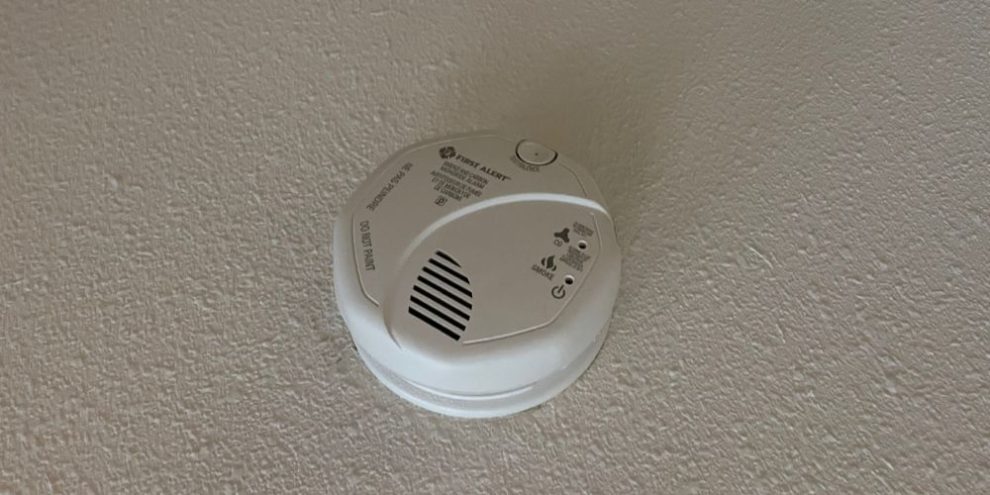
As we turn the clocks forward this weekend, Barrie Fire & Emergency Service is reminding residents that the shift to daylight saving time isn’t just a sign that spring is near—it's also a crucial moment to test smoke and carbon monoxide alarms.
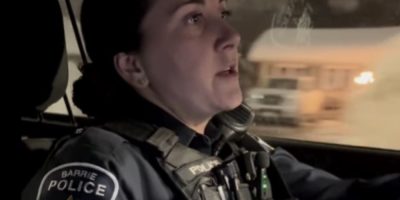
Fire Prevention Public Educator Kate Foster joined us on this week's What Barrie's Talking About podcast to highlight the annual “Change the Hour, Check the Power” campaign, which urges households to press the test buttons on smoke and carbon monoxide alarms and replace batteries where needed.
“There’s so much going on in life that reminders are helpful,” Foster said. “This time of year we’re really encouraging people to check the power and check the overall functioning of your smoke alarms and carbon monoxide alarms.”
New CO Alarm Rules Now in Effect
This year brought new provincial regulations for carbon monoxide alarm placement—rules many households may not yet realize have changed.
Previously, CO alarms were only required outside sleeping areas in homes with fuel‑burning appliances, attached garages, or fireplaces. Now, Foster says, they must be installed on every level of the home, including basements.
The update brings CO standards in line with longstanding smoke alarm requirements.
For homeowners unsure whether they have separate units or combination alarms, Foster recommends pressing the test button: “You’ll usually hear three beeps for smoke and four beeps for carbon monoxide. A lot of newer alarms will even say it out loud.”
If Your CO Alarm Sounds, Don’t Second‑Guess It
Unlike smoke, carbon monoxide can't be seen, smelled, or tasted. That makes false assumptions especially dangerous.
Foster’s message is simple: trust the alarm.
“Exit your space as quickly as possible and call 911,” she said. Firefighters will then enter the home with proper protective equipment to test the air and identify any hazards.
And don’t air out the house on your way out. Opening windows makes it harder for firefighters to determine the source of the problem.
Emergency Preparedness Matters—Especially After Last Year’s Ice Storm
With unpredictable weather swings and the anniversary of last year’s major ice storm, Barrie Fire is urging residents to consider how well-prepared they really are for prolonged outages.
A home emergency kit should include flashlights, batteries, blankets, non‑perishable food, water, and items for pets. The city encourages residents to be self‑sufficient for at least 72 hours.
Foster also warned against unsafe heating methods during outages—including bringing generators indoors or using barbecues for heat. Before buying any portable heater, residents should look for CSA, ULC, or ETL safety certifications.
Rapid Warm‑Ups Make Local Ice Especially Hazardous
With temperatures expected to climb as high as 15°C this weekend, Foster also issued a reminder about thinning ice conditions on area lakes.
“No ice is safe ice,” she said, noting that fluctuating temperatures make conditions highly unpredictable.
Barrie Fire responds to all ice rescue emergencies, but Foster would prefer residents stay off the ice entirely.
A Good Time to Review Your Family’s Safety Plan
Beyond alarms and equipment, Foster encourages families to revisit their home escape plans, identify two exits from every room, and involve children in safety routines - something many kids enjoy.
“Kids love pushing the test button, and they can be wonderful fire safety ambassadors,” she said.
For more information and safety resources, residents can visit barrie.ca/fire.