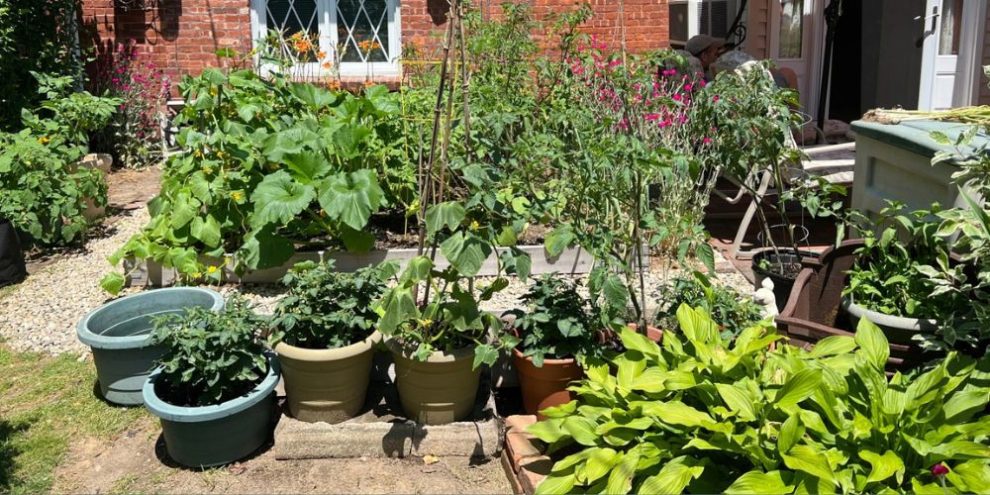
If you’ve dreamed of growing a vegetable garden but your backyard is too shady, is paved or is simply too small, consider the front yard. Planned properly, it will not only provide a nice harvest but might even bring new friends to your gate.
Such gardens were commonplace a few generations ago, their popularity shrinking over the years in favor of lawns, which became a suburban status symbol. Fortunately, front-yard vegetable gardens are making a comeback as more homeowners learn that turfgrasses drain precious resources, and that their upkeep risks polluting the environment, soil and groundwater.
Before plunging your spade into the ground for a vegetable garden, first check whether your municipality or homeowners’ association restricts what you can grow in street-facing gardens. It would also be a good idea to talk to your neighbors about your plans.
Barrie's News Delivered To Your Inbox
By submitting this form, you are consenting to receive marketing emails from: Central Ontario Broadcasting, 431 Huronia Rd, Barrie, Ontario, CA, https://www.cobroadcasting.com. You can revoke your consent to receive emails at any time by using the SafeUnsubscribe® link, found at the bottom of every email. Emails are serviced by Constant Contact
Look for lots of sun
Begin by scouting the yard for a good spot. Most edibles require at least six hours of direct sunlight daily.
You can install raised beds right over the lawn. Fill short beds with high-quality topsoil and compost. Those at or above 3 feet deep are best filled in three equal layers: firewood or logs from cut trees (never use treated wood, which contains chemicals) on the bottom; sticks, twigs and branches in the middle; and equal parts topsoil and compost on top. Moisten each layer as you go, topping with more of the topsoil mixture to raise the final level after it settles.
In-ground beds should not be wider than 4 feet. This will allow easy access from all sides for weeding, pruning, trellising and harvesting.
Sketching your plan on graph paper helps you visualize and decide on the bed’s ideal shape and size.
Then create an outline for your bed right on the ground where you want it. This is best done with white flour (fill a zipper-top plastic bag with flour, clip off a corner and start “drawing”) or by laying down a garden hose to define the area.
Clear and prepare the ground
When you’re happy with your template, remove grass, weeds and other vegetation from the future bed using a grub hoe or sod cutter. Lightly till the soil 6-12 inches deep, mixing in a generous helping of compost to improve the drainage of clay, increase the moisture-holding capacity of sand and add nutrients. Remove any rocks you come across.
If you’re willing to postpone planting until next year, you can skip the digging by laying cardboard over the area, hosing it down, then covering it with at least 6 inches of compost or a 50/50 mix of compost and high-quality topsoil. In a few months, the lawn underneath will be dead, the cardboard decomposed and your back grateful.
Before planting, test the soil’s pH. Home test kits are inexpensive and widely available. Look up the recommended pH for the crops you intend to grow and amend the soil accordingly. If the pH is too low (acidic), add dolomitic lime. If it’s too high (alkaline), a soil acidifier containing elemental sulfur will lower it. In both instances, closely follow package directions geared to your target pH and the size of the bed.
Most fruits, vegetables and herbs will thrive in soil with a pH between 6.0 and 6.5. Some will tolerate higher or lower levels, but some have very strict requirements (blueberries, for instance, will not thrive unless grown in soil with a reading of 4.5-5, with no wiggle room.)
Finally, incorporate a slow-release, balanced fertilizer into the soil. However, if the bed is on a former lawn that was regularly fertilized, there will likely be plenty of nitrogen already present, so use a product that contains only phosphorus and potassium (too much nitrogen may adversely affect your harvests).
Synthetic fertilizers and lawn treatments remain in the soil for about three years, so keep that in mind if you intend to grow organically.
Keep things tidy
Because your garden will be visible to passersby, aim for a purposeful aesthetic. Arrange plants according to height, create mulched pathways between beds, keep the area well-weeded and remove dead plants promptly. Mixing in some flowers will add to your curb appeal and can even chase away pests.
Don’t be surprised if you make new friends while tending your new garden. Parents pushing strollers, dog walkers and other neighbors are likely to stop for a chat.
Maybe offer them a zucchini or two.