When you look at your garden beds and borders, do you see any bare soil? If so, mulch is in order.
Mulch is defined as a protective layer applied over soil to retain moisture, suppress weeds and moderate soil temperature around plants, as well as in uncultivated areas. But if used incorrectly, mulch can cause more harm than good.
Barrie's News Delivered To Your Inbox
By submitting this form, you are consenting to receive marketing emails from: Central Ontario Broadcasting, 431 Huronia Rd, Barrie, Ontario, CA, https://www.cobroadcasting.com. You can revoke your consent to receive emails at any time by using the SafeUnsubscribe® link, found at the bottom of every email. Emails are serviced by Constant Contact
The right kind of mulch
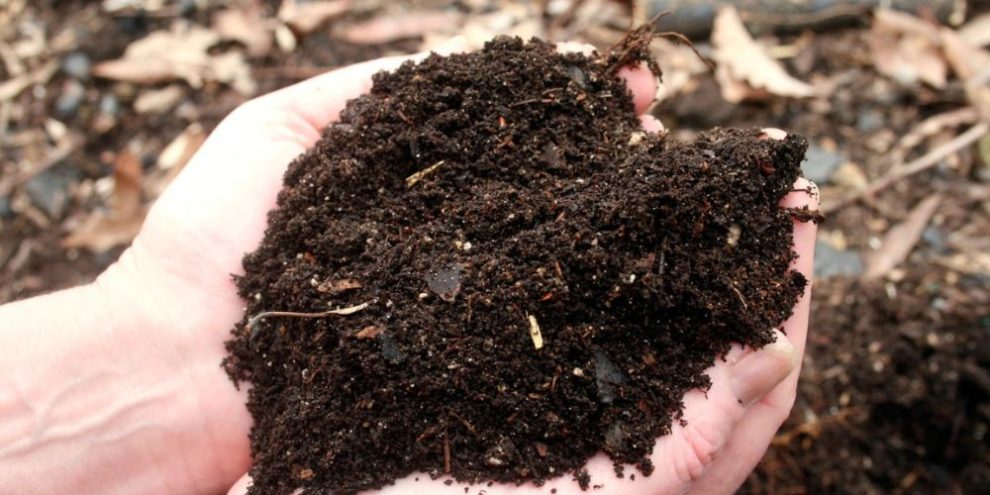
Folks use everything from gravel, plastic sheeting and shredded tires to organic materials like compost, pine needles, shredded bark, hay, straw and wood chips. Some are better than others, to say the least.
Gravel and stones reduce weeds and retain some moisture, but affect plants differently than organic mulch. Stone absorbs heat, which can scorch plants and roots. Removing gravel later can be a Sisyphean task.
Still, in fire zones, gravel is recommended to cover soil, since organic mulches are flammable.
Shredded tires? Please don’t. Crumb rubber can contain volatile organic compounds, lead and other heavy metals. And even if you remove it someday, the chemicals it leaves behind will remain in the soil for a very long time — maybe permanently — unless you’re willing to strip out and replace layers of soil. It’s hard to imagine that tradeoff being worth it.
Any benefits of plastic sheeting should be weighed against eventual disposal problems. Sooner or later, it will end up in a landfill, where it’s likely to outlive you, and break down into microplastics that will contaminate the soil and groundwater.
Natural materials like shredded bark, wood chips, straw and pine needles are always the better choice because they improve the soil as they decompose.
Arborist wood chips, made by pruning crews after cutting down trees or removing their limbs, make up my preferred mulch for a few good reasons. First, you can see what you’re getting. And as the chips decompose, they slowly turn into rich humus right on the soil surface, feeding plants as they break down. Since a large portion of wood chips comes from the inner wood of the tree, they also hold moisture longer and release it more evenly than other mulches do.
How to use mulch
In most cases, 3 to 4 inches is the ideal depth for mulching around plants. Keep it a few inches away from trunks and stems to allow for air circulation. When mulch sits directly against bark or stems, moisture gets trapped, and rot eventually follows.
I know you’ve seen professional landscapers pile mountains of mulch against tree trunks, but the practice — known as “volcano mulching” — is deadly to trees, slowly suffocating them as the buried portion of their trunks decay. When the trees die, sometimes years later, the homeowner is often perplexed, having forgotten the long-ago volcano.
A properly mulched tree leaves the flare at the base of the trunk exposed and fully visible.
The best time to mulch is after the danger of frost has passed but before weeds have emerged. Putting it down too early could trap cool temperatures in the soil and slow plant growth. Waiting too long risks soil erosion and weed proliferation, and facilitates moisture evaporation.
And there’s a cherry tomato on top: Mulch will make your garden look polished, too.