Barrie Fire and Emergency Service is reminding residents to take carbon monoxide safety seriously, as Carbon Monoxide Awareness Week runs until Nov. 7
Carbon monoxide is colourless, odourless and tasteless, making it difficult to detect without a working alarm.
Kate Foster, public educator with Barrie Fire and Emergency Service, says the annual awareness campaign is an opportunity to remind people about the dangers of a gas that can have deadly consequences.
"The theme really truly is awareness every year," Foster says. "It's important to bring awareness to this thing that is pretty invisible but can have a serious impact on your life. It can be a silent killer."
There are also some important changes to Ontario's Fire Code that residents and property owners should know about.
Effective January 1, 2026, updated requirements mean carbon monoxide alarms must be installed on every storey of a home or residential property that contains a fuel-burning appliance, fireplace, attached garage or another potential source of carbon monoxide. Alarms are also required outside sleeping areas.
The expanded requirements bring carbon monoxide alarm placement more in line with existing smoke alarm requirements.
Foster says the changes follow reviews of carbon monoxide incidents, including close calls and fatalities.
"After reviewing so much information and seeing where we're getting these calls, these near misses, or unfortunate even fatalities because of carbon monoxide, there was the recognition that we need more," she says.
Foster says residents should never ignore an alarm simply because they cannot see or smell anything unusual.
If a carbon monoxide alarm sounds, occupants should leave the property immediately and call 911 from outside. Foster says residents should leave the doors and windows closed and allow firefighters to investigate.
"Too often, again, because it's invisible, people maybe don't trust their alarm as much. It's not like smoke, you can't see it. But if your alarm is sounding, it's really important to take it seriously."
Firefighters have equipment that can detect carbon monoxide concentrations and help identify the source of a potential leak.
"We have the technology to go in," Foster says. "We will bring in our devices that will essentially smell and sense the air and tell us where there's potential for a leak that's creating that carbon monoxide buildup."
Depending on the situation, firefighters can also help coordinate with outside companies or organizations to address the problem.
Foster says residents should never return inside until firefighters have determined it is safe.
Carbon monoxide exposure can also be difficult to recognize because its symptoms can resemble the flu.
They include dizziness, nausea, headaches, sleepiness and grogginess. Foster says having working carbon monoxide alarms is the only way to reliably identify the presence of the gas in a home.
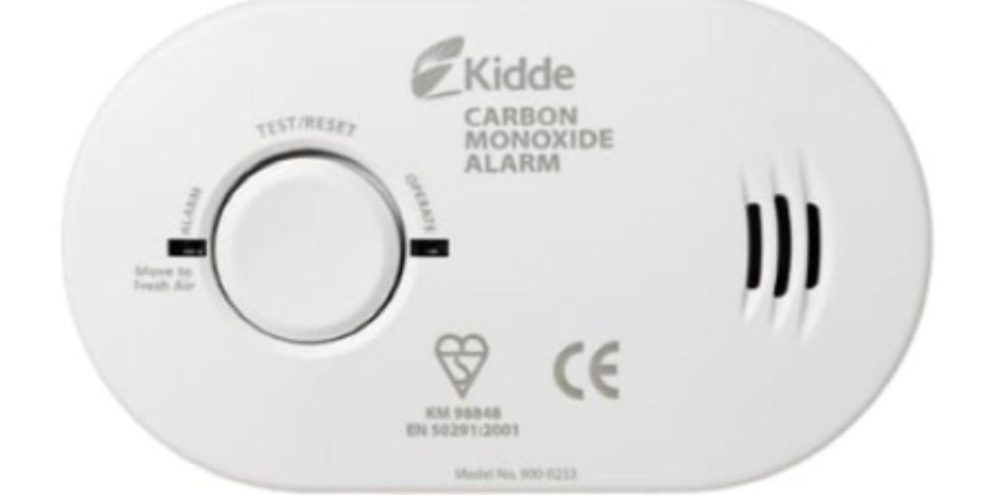
Residents should regularly test their alarms to ensure they are working properly. Some smoke alarms are combination units that detect both smoke and carbon monoxide, while standalone carbon monoxide alarms also have a test function.
Homeowners should also arrange regular inspections of fuel-burning appliances by certified technicians and ensure fireplaces and chimneys are properly maintained and cleaned.
As colder weather approaches, Foster says it's also important to check heating equipment and household vents, including dryer vents, to make sure they are clear and working properly.
Tenants have a role to play in carbon monoxide safety as well. Landlords and property owners are legally responsible for providing and properly installing the required alarms, while tenants must ensure the devices are not disabled and remain in good working order.
Barrie Fire and Emergency Service also has an inspection team that can help residents who have concerns about a property.
"Anytime you're living in a space, do your check, make sure that you have the appropriate alarms," Foster says.
She encourages anyone in the Barrie community who is unsure about carbon monoxide safety to contact the fire department for information or assistance.
"When in doubt, maybe just give us a shout, give a call, and see if we can help just figure out what might be happening or give a bit of information."