
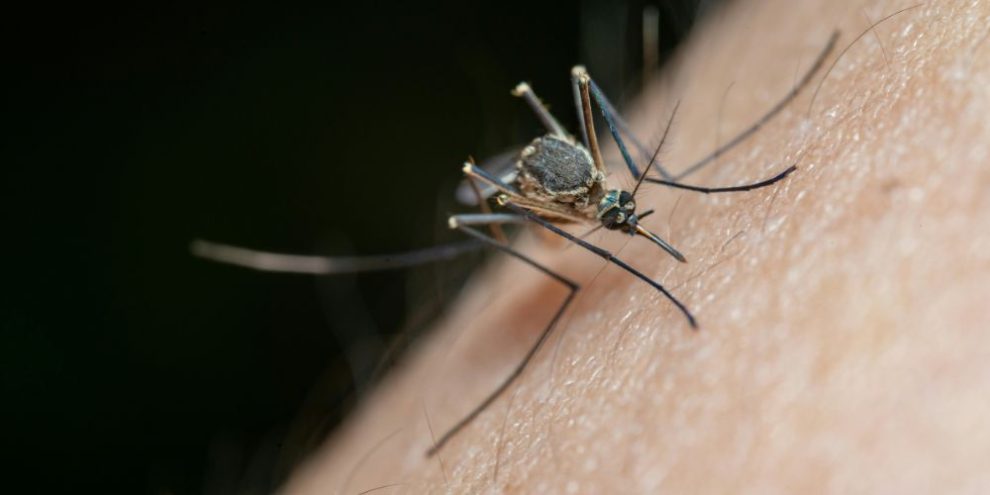
If you've noticed mosquitoes still buzzing around well into the fall, you're not imagining it.
Experts say the insects are lingering longer than usual across southern and eastern Ontario, along with parts of Atlantic Canada, thanks to an unusually warm autumn that has delayed the arrival of prolonged freezing temperatures that normally help reduce mosquito activity.
Researchers point to this year's powerful El Niño weather pattern as a major factor behind the extended season.
Mild temperatures are helping mosquitoes survive
Mosquitoes thrive in warm, humid conditions, and those conditions have persisted later into the year than normal in many parts of Canada.
"As long as those mosquitoes haven’t been exposed to temperatures low enough … so cold that it damages them and kills them, then they’ll just stick around," said Laura Ferguson, an assistant professor in the biology department at Acadia University who studies how ticks and mosquitoes respond to environmental change.
Ferguson said mosquitoes can remain active until overnight temperatures stay below freezing for a sustained period.
She has continued to encounter mosquitoes in recent weeks herself, a sign that many insects remain active despite the calendar moving deeper into fall.
El Niño driving warmer weather
Bill Merryfield, a research scientist with Environment and Climate Change Canada, said El Niño typically has its greatest influence on Canadian weather toward the end of the year, often bringing milder fall and winter conditions.
"This year’s event is truly exceptional because this warming has already exceeded three degrees, which is well above that of any previous event and is expected to go even higher before the usual peak of El Nino in November or December," he said, referring to Pacific Ocean temperatures tied to the weather phenomenon.
"That would consist of warmer-than-usual temperatures coast to coast" in Canada, Merryfield said.
He added that warmer autumn and winter conditions may become increasingly common as global temperatures continue to rise.
Southern Ontario saw near-summer warmth
The extended mosquito activity has coincided with remarkably mild temperatures in parts of Ontario.
In Toronto and surrounding areas, mosquitoes remained present into late October while daytime highs climbed into the low 20s during the final days of the month and the first week of November.
According to The Weather Network, Toronto had not recorded a temperature at or below the freezing mark since May 3.
Those warmer conditions have allowed mosquitoes to remain active far longer than many Canadians would normally expect.
Questions remain about next year
Researchers are still studying what effects this year's "super" El Niño could have on mosquito populations in 2024.
Canada is home to roughly 80 mosquito species, and warmer winters could affect both survival rates and population sizes heading into spring.
"We definitely expect that they’ll have a longer active season, particularly if spring comes earlier or fall is later and warmer," Ferguson said. "We think we’re seeing some evidence of that."
Longer season could increase disease risks
Beyond the nuisance of bites and itching, scientists are watching closely for potential public health impacts.
A longer mosquito season can increase opportunities for viruses to circulate among both animals and people.
Marc Avramov, a Carleton University PhD candidate who studies mosquito-borne illnesses including West Nile virus and eastern equine encephalitis, said colder fall weather normally signals the end of those concerns.
"We stop worrying about that as soon as those colder fall conditions start appearing," he said.
Avramov said sustained mild weather could also help new mosquito species establish themselves in Canada, including some that are better adapted to surviving winter conditions and capable of carrying emerging diseases.
"That’s one of the risks we always keep an eye out for," he said.
- with files from The Canadian Press