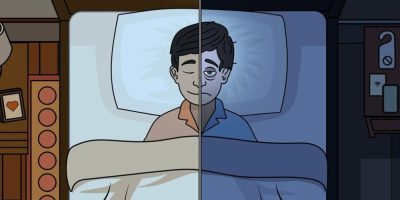

For many, the holiday season means carols, gatherings and festive cheer. But for others, the same weeks can bring loneliness, grief, financial strain or a sense of pressure that turns celebration into stress.
Dr. Carolyn Houlding, a psychologist at Waypoint Centre for Mental Health Care, says the glossy image of happy families and perfect celebrations doesn’t match everyone’s reality. She notes that not everyone has family they feel safe with, or the financial comfort they’d like. In Canada’s darker winter months, even the weather can deepen the strain.
That combination can make the holidays anything but merry. A lot of people might just put on a fake face or a fake smile to get through the day.
Her advice: notice and acknowledge your feelings, and lean on people you trust instead of pretending everything is fine. That honesty can make it easier to get support from the people in your inner circle.
“It’s going to be better to kind of acknowledge your feelings and to be honest with people in your inner circle and that you can trust,” Dr. Houlding says, "they can give you a bit more support and maybe give you a little bit more of a buffer, or you can tell them how they can help."
Practical ways to ease the holiday hump
Dr. Houlding offers a handful of approaches that others she works with have found helpful:
- Create new traditions or focus on giving back. Volunteering or joining community gatherings can shift focus away from loss or isolation, and even boost spirits. Helping others can give many people a sense of purpose when the holidays feel empty.
- Plan for the period after the holidays. For those who feel let down or lonely when festivities end, scheduling activities or time with people outside the usual circle can recharge energy and provide a smoother transition back to everyday life.
- Spend time outdoors if possible. Exposure to daylight, light exercise and nature can help regulate mood—something especially relevant in winter.
If things feel urgent
Immediate mental health and addiction support (24/7)
9-8-8: Canada’s suicide prevention helpline for anyone in crisis or worried about someone else.
9-1-1: For emergencies requiring immediate assistance.
Kids Help Phone: Text 686868, call 1-800-668-6868, or visit KidsHelpPhone.ca.
Assaulted Women’s Helpline: 1-866-863-0511 | TTY: 1-866-863-7868.
Talk4Healing (Indigenous Women): 1-855-554-4325.
Huronia Transition Homes (Rosewood): Text 705-999-0012 (24/7) | Crisis Lines: 1-800-987-0799 (South Simcoe) | 1-800-461-1750 (North Simcoe).
Non-urgent mental health and addiction support
Ontario Structured Psychotherapy (OSP): Free CBT-based services for adults experiencing depression, anxiety or trauma-related concerns. Visit therapyontario.ca.
Frontline Wellness: Mental health supports for health care workers and organizations. Visit waypointcentre.ca/services/frontline-wellness.
1door.ca: 24/7 online access to free counselling referrals.
Patient/Client and Family Council: Peer support at 705-526-4569.
North Simcoe Youth Wellness Hub: A safe space for youth ages 12-25 seeking support for mental health, substance use, employment, education and more. Visit waypointcentre.ca/services/north-simcoe-youth-wellness-hub.
Additonal health resources
8-1-1: Call or visit Health811.Ontario.ca for health advice from qualified professionals.
Virtual Urgent Care Clinic: Nurse practitioner support for non-life-threatening concerns, open daily from 1-9 p.m. for residents of Central Ontario. Visit regional-virtual-urgent-care.ca.
2-1-1: Connects residents to community programs, services and local supports.
Listen below to our entire interview with Dr. Carolyn Houlding, which begins at the 36:50 mark.