
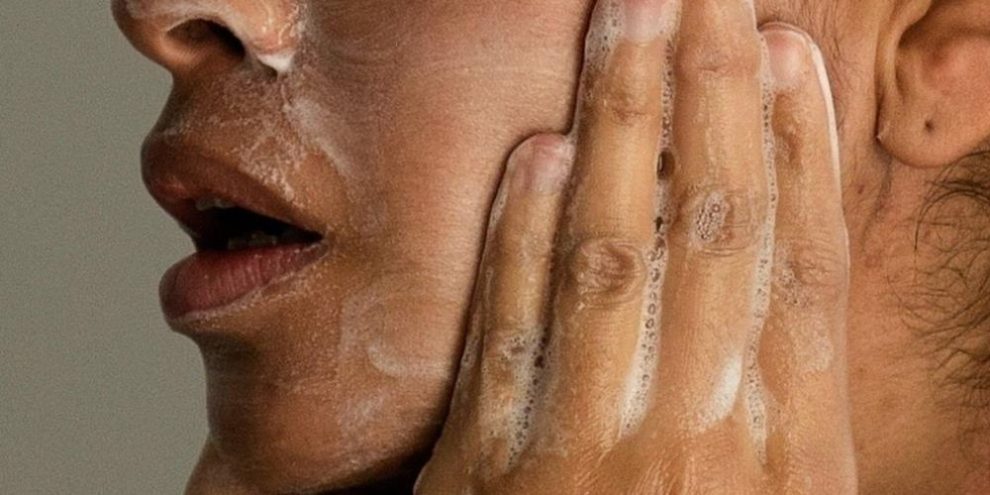
Many people associate acne with adolescence, but dermatologists say breakouts are common well into adulthood, particularly among women. While pimples may seem like a cosmetic concern, persistent acne can affect confidence, leave scars and, in some cases, require medical treatment.
For Gillian Maegan Montalbo, acne became more difficult after her teenage years had passed.
As a teenager, her skin problems were relatively mild, limited mostly to a few bumps on her forehead and nose. But once she entered the workforce, breakouts returned and became more severe, appearing on her cheeks and chin.
“It really took a toll on my self-esteem and my self-confidence,” said Montalbo, a marketer and content creator who lives in the Philippines.
Acne is most commonly linked to adolescence, but it can affect adults as well. Breakouts may appear on the face, chest, shoulders and back, a condition often referred to online as "bacne."
Doctors say treatments vary depending on the cause and severity of the condition. Even after acne clears, dark spots and scarring can remain for months or years.
“We know how to treat acne. We know the cause of it. So don't suffer alone,” said Dr. Crystal Aguh, a dermatologist and director of the Ethnic Skin Program at Johns Hopkins School of Medicine.
Why adult acne happens
The causes of acne can differ from person to person.
Teenagers often develop acne across the forehead, nose and cheeks. Adults, especially women, are more likely to experience hormonal acne concentrated around the jawline and chin, according to Aguh. Some medications, including steroids, can also trigger breakouts.
Acne develops when pores become clogged with oil, bacteria and dead skin cells. A single pimple may disappear within weeks, but ongoing breakouts that continue to spread are considered a medical condition.
“Essentially, you’re not getting a break from a breakout,” Aguh said.
Genetics, hormones, environmental factors and diet can all play a role. Excessive dairy consumption, for example, may contribute to acne in some people.
Breakouts can take several forms. Some people develop whiteheads and blackheads, while others experience inflamed red bumps or deeper cysts associated with cystic acne.
Treatment options range from drugstore products to prescriptions
Dermatologists strongly advise against picking or popping pimples.
“Everyone wants to pick and squeeze. That will almost always make things worse,” said Dr. Lauren Fine, founder of Fine Dermatology in Chicago.
Picking can push inflammation deeper into the skin, spread acne and increase the risk of permanent marks or scarring. For people with darker skin tones, those marks can linger longer because stressed skin may produce additional pigment.
Treatment options range from over-the-counter washes and creams to prescription medications.
For mild facial acne, dermatologists may recommend products containing benzoyl peroxide, salicylic acid or retinoids such as adapalene.
Patients experiencing more persistent breakouts may be prescribed antibiotics or medications containing tretinoin. Severe cystic acne may require isotretinoin if other treatments are unsuccessful.
Adult hormonal acne often requires a different approach than teenage acne. For some women, doctors may prescribe birth control to help regulate hormones or medications such as spironolactone.
Cortisone injections can sometimes reduce active acne flareups quickly, but experts caution they are not a long-term solution.
Pimple patches made with hydrocolloid gel have also become popular. Aguh says they can help absorb fluid from mild breakouts and reduce the temptation to pick at pimples. Fine, however, said some of her patients have experienced skin discoloration from the patches and she generally does not recommend them.
Scars and discoloration can last longer than acne
Even after acne improves, many people continue to deal with dark marks and scars.
Dermatologists say products containing glycolic acid can help fade discoloration. Over-the-counter adapalene products and retinol creams may also improve skin appearance over time.
For more significant scarring, doctors may recommend laser treatments that target deeper layers of the skin.
Patients should also be prepared to be patient. Finding the right treatment often requires trial and error, and visible improvements can take time. Some people also experience "skin purging" when starting a new treatment, a temporary increase in breakouts as clogged pores are pushed to the skin's surface.
Recovery goes beyond skin
Montalbo said her acne improved within a year of seeking help from a dermatologist, although acne scars remained.
She credits supportive friends and family with helping her through the most challenging period. Her father, who had also struggled with acne, encouraged her to seek treatment. A close friend who travelled with her during one of her worst flare-ups told her she had never even noticed the acne.
“When you are with the right people, they won’t mind how you look,” Montalbo said. “Because to them, what’s important is how you treat them.”
- with files from The Canadian Press