A growing gap between infrastructure needs and available funding is putting long-term pressure on Barrie’s asset management system, according to an annual review by city staff.
The report, presented to the city’s infrastructure and community investment committee on Wednesday, says 83 per cent of Barrie’s nearly $11.8 billion in municipal assets are in fair or better condition.
Another 11 per cent are considered to be in poor or very poor condition, while the condition of about six per cent is unknown.
Staff say that while assets in poorer condition do not always require immediate replacement, they carry higher risk of failure and typically require increased maintenance as they approach the end of their service life.
Overall, the review found that infrastructure renewal needs continue to outpace available funding, requiring increasing prioritization of projects and services over time.
Staff estimate the city would need to invest approximately $308 million annually to support infrastructure renewal, growth and service improvements, including $111.8 million for aging assets alone.
By comparison, current annual capital investment sits at roughly $200 million, leaving a gap of about $108 million.
“When there’s insufficient funding, then there’s work that will not get done,” said Scott Drewette, presenting on behalf of the city’s asset management department. “While there’s no getting around that reality, the city does have the ability to monitor risks and implement contingency plans to minimize the impact of aging infrastructure.”
The gap is being driven by several compounding pressures, including rising construction costs, continued growth, and an expanding asset base.
Inflation has had a significant impact on public infrastructure projects. The report notes a nearly 60 per cent increase in cumulative construction cost impacts since 2019, reducing the purchasing power of municipal capital budgets.
Growth is also adding pressure to the system. In recent years, the city has approved an average of three to four kilometres of new roads annually, along with associated water, wastewater and stormwater infrastructure required to service new development.
The city is also taking on additional assets through boundary expansion agreements with the Townships of Springwater and Oro-Medonte, which will require further funding once they are fully integrated into long-term planning.
At the same time, aging infrastructure continues to drive rising renewal needs, as more assets approach or exceed their expected service life.
Together, these factors are increasing long-term strain on the city’s capital planning system.
“We can’t do everything at once,” Drewette said. “Different choices about how we invest will lead to different outcomes over time. That could mean maintaining current service levels, prioritizing core infrastructure assets, or allowing gradual changes in some areas depending on how funding is allocated.”
He said the city needs to prioritize spending based on risk, noting that critical assets would receive additional attention due to their high operational impact.
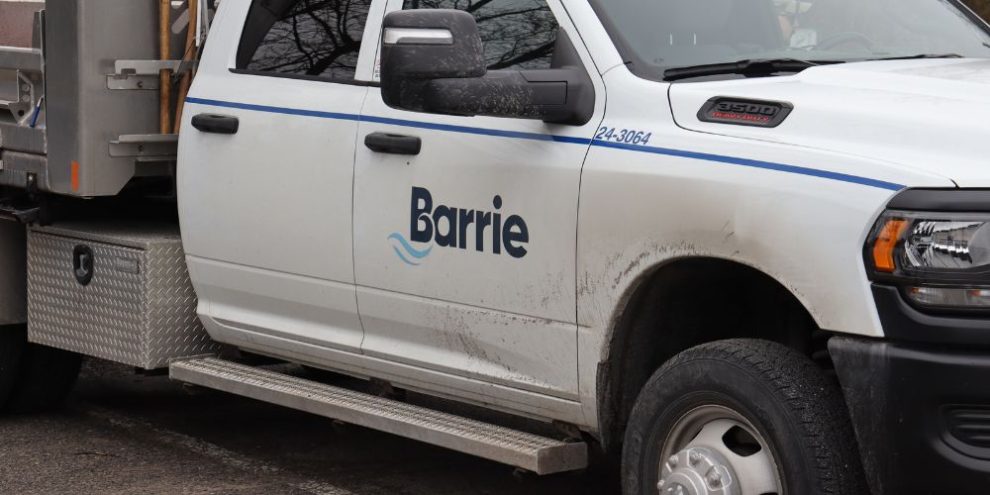
Some asset categories are under greater pressure than others. For example, vehicles in the city's fleet like snow plows and fire trucks, are defined as critical pieces because of their high impact.
"I don't know if it's for me to say what drives them to become top of the list instead of bottom of the list; but the reality is, if you have existing infrastructure that needs attention urgently, then building new infrastructure becomes less of a priority," Drewette said.
The fleet category of the city's assets notably has over 25 per cent described as very poor, the most among any category in the report.
Drewette said while the city continues to advance its asset management program, any decisions by council will influence service level changes in the future. He warned that councillors will need to be deliberate and informed when making choices regarding infrastructure investment and prioritization.
The committee approved the 2026 asset management annual review following the presentation.