Barrie Police is expanding its role in youth crime intervention, using provincial funding for programs aimed at preventing violent offences before they occur.
Through Project Bright Futures, the service plans to help establish recreational and art-based programming along with mental health counseling supports for vulnerable youth who have experienced victimization or harm before becoming involved in the justice system.
Funding for the project comes from the $5 million provincial Civil Remedies Grant, which will provide $200,000 over two years. The province says the funding is intended to reinvest proceeds of crime into initiatives that support victims and improve community safety.
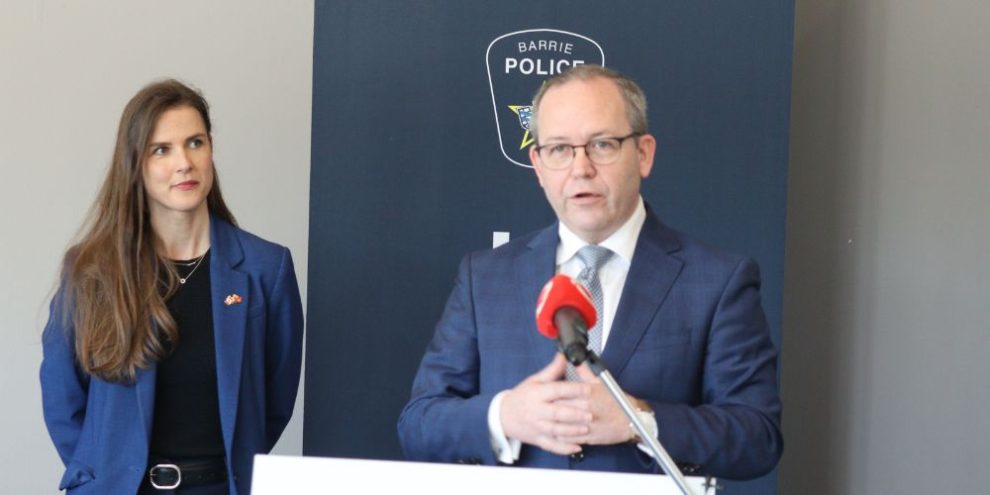
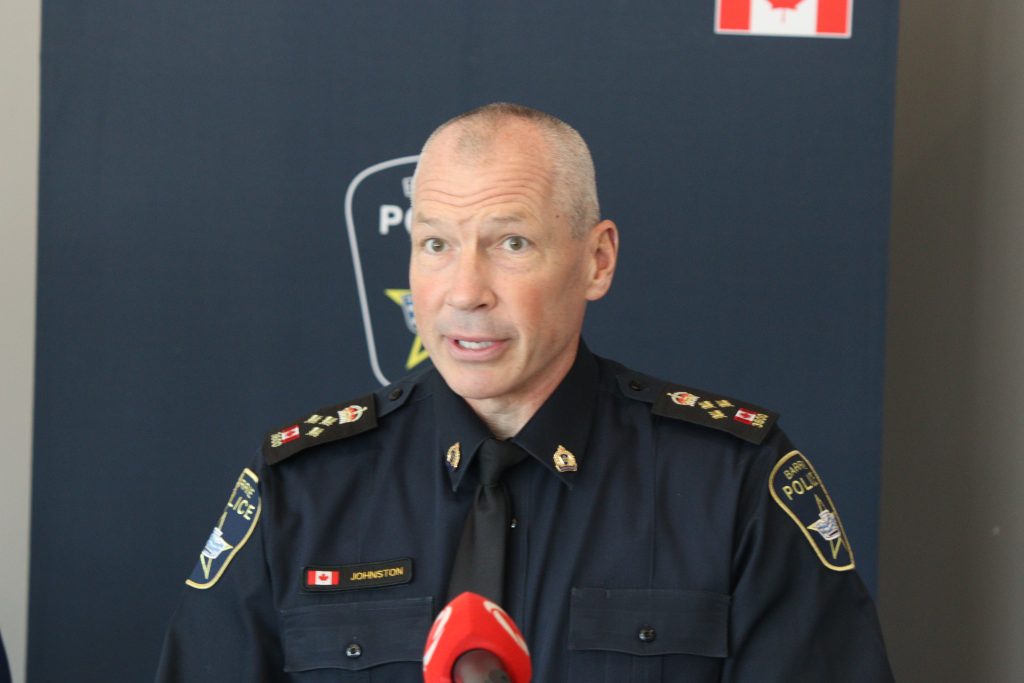
"The challenge we face in this city is no different than any other city in Ontario," Barrie Police Chief Rich Johnston said. "Crime does exist, and how we respond to it as a community—with community partners, with our government—matters."
The John Howard Society, Salvation Army, and CFS Counselling and Wellbeing are involved and will be equipped with crisis intervention and behavioural management training. Police say the partnerships allow community organizations to deliver frontline supports, while the service helps measure program impact.
Johnston says police data shows that 65 per cent of youth charged have had at least five previous touchpoints with officers.
The John Howard Society, specifically, will use its funding for a gender-based violence program that "focuses on prevention, intervention, and reintegration." The organization works with youth aged 14 to 24 and men who have been involved in violent relationships.
"The work that [the John Howard Society] does in Simcoe and Muskoka is life-changing for individuals and for families, said Attorney General Doug Downey, who is also the MPP representing Barrie-Springwater-Oro-Medonte. "To support that is clearly the way forward."
Police believe that earlier intervention through community programs can help prevent and reduce crime in the future.
"We will always enforce the law," Johnston says. "But if we're able to influence the reduction of victimization, that's what we're all after."