
The word "recession" is back in the national conversation, and for households in Barrie dealing with higher costs, a slow housing market, and uncertainty around jobs, the new numbers from Statistics Canada will feel familiar.
Canada's economy shrank for a second straight quarter at the start of 2026, meeting a commonly used definition of a technical recession. Real gross domestic product fell 0.1 per cent on an annualised basis in the first quarter, following a one per cent drop in the fourth quarter of 2025. Three of the last four quarters have now posted negative real GDP growth.
Economists heading into Friday's release had expected annualised growth of 1.5 per cent. The miss was significant.
Barrie's News Delivered To Your Inbox
By submitting this form, you are consenting to receive marketing emails from: Central Ontario Broadcasting, 431 Huronia Rd, Barrie, Ontario, CA, https://www.cobroadcasting.com. You can revoke your consent to receive emails at any time by using the SafeUnsubscribe® link, found at the bottom of every email. Emails are serviced by Constant Contact
What pushed the economy into negative territory
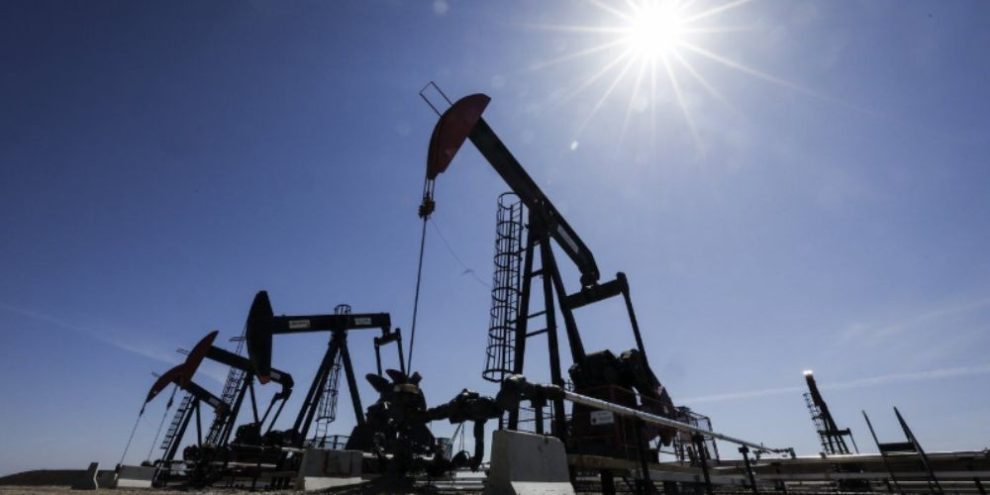
StatCan pointed to two main culprits: weakness in Canada's resource extraction industries and a slowdown in construction activity. Both sectors dragged real GDP down 0.1 per cent in March alone.
For a region like Simcoe County, where construction has been a major economic driver through years of population growth and housing development, a fifth consecutive quarter of declining business capital investment is worth watching. Weak resale activity in the housing market also weighed on the national numbers.
Higher gold imports pulled the headline figures lower, partly offset by businesses building up inventory. Neither dynamic signals underlying strength.
A technical recession, but the picture is complicated
Two consecutive quarters of negative growth satisfies the most commonly cited definition of a technical recession. But many economists look beyond that threshold before declaring a formal recession, considering the breadth and depth of a downturn across different sectors and regions.
Barrie's News Delivered To Your Inbox
By submitting this form, you are consenting to receive marketing emails from: Central Ontario Broadcasting, 431 Huronia Rd, Barrie, Ontario, CA, https://www.cobroadcasting.com. You can revoke your consent to receive emails at any time by using the SafeUnsubscribe® link, found at the bottom of every email. Emails are serviced by Constant Contact
The data itself tells somewhat conflicting stories. Monthly GDP figures tracked by industry suggest growth was actually mildly positive over the first quarter, a different read than the annualised contraction in GDP by expenditure. The two measures use different data sources and methodology, and diverging by a few tenths of a percentage point is not unusual.
Real GDP also rose 0.2 per cent on a quarterly basis in the first three months of the year, StatCan noted, even as Canada's population shrank for a second straight quarter.
April may offer some relief
StatCan's preliminary estimate for April points to a rebound of 0.4 per cent growth in the month, driven by a return to growth in the mining, quarrying, oil and gas sectors. Those numbers are considered early and are expected to be revised when next month's report is released.
The January-to-March contraction was also largely concentrated in two months. Real GDP declined in October and March, while the four months between them were either flat or modestly positive. That pattern has led some economists to resist labelling the current environment a deep or broad recession.
Still, the trend line heading into spring 2026 is not an encouraging one, and for businesses and families in Barrie already navigating a difficult stretch, the national numbers confirm what many have been feeling on the ground.
*With files from CP