What happens after someone asks for help with homelessness or addiction in Simcoe County? That question was at the centre of a hands-on walkthrough for local officials in Barrie on Thursday.
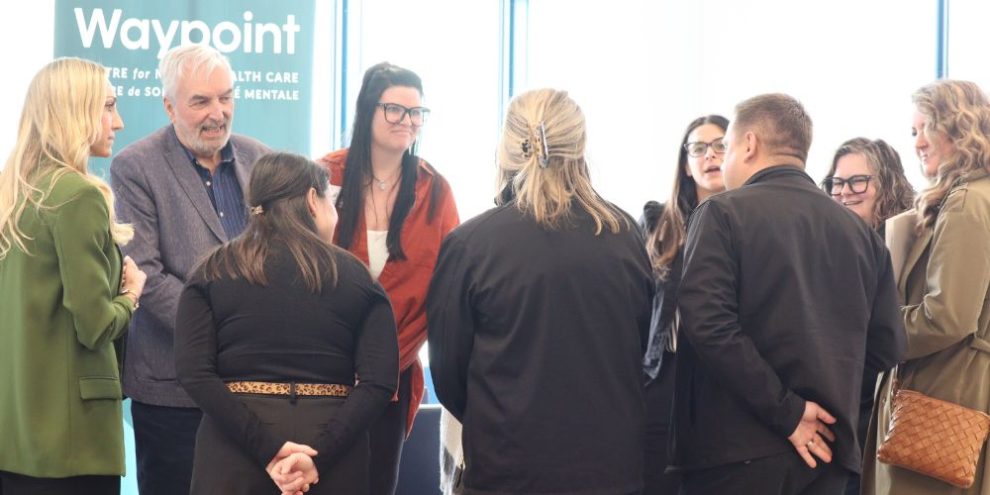
The showcase gave elected officials and other public staff a first-hand look at the HART Hub support process, going through each step from initial contact with outreach workers to placement in treatment or supportive housing.
The HART Hub initiative, which was rolled out in June, has been the main destination for those directed to additional support by the County of Simcoe and its partners.
"All the HART Hubs across Ontario operate a little bit differently and ours is unique in the sense that there isn't a hub location," County of Simcoe manager Katie Drake told Barrie360. "It's important to be able to walk people through how all of our services are integrated and keep people connected."
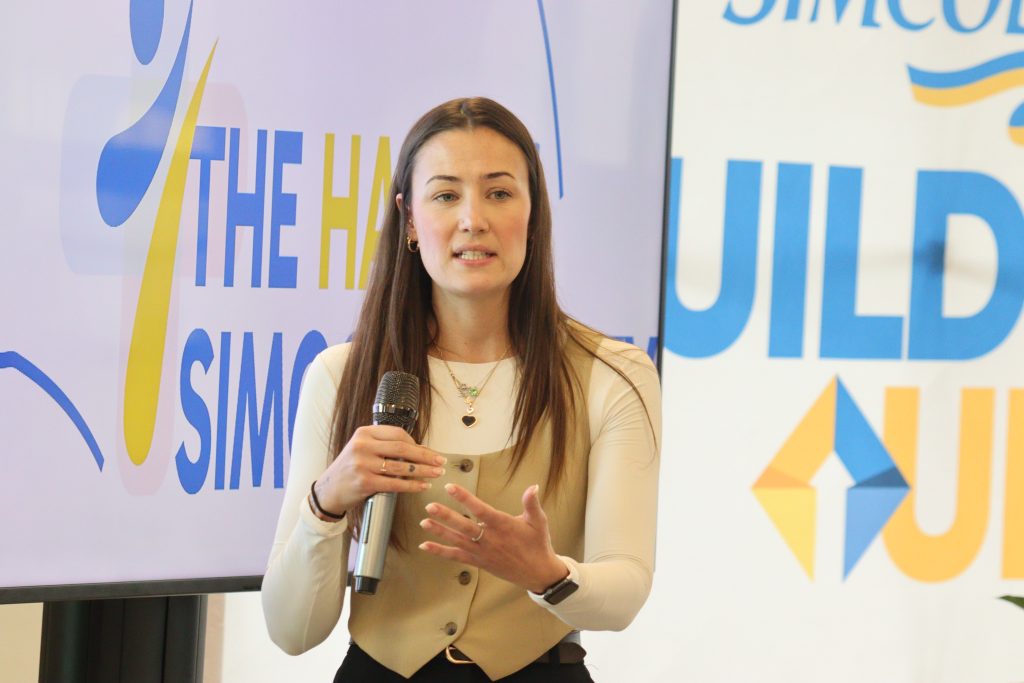
While no clients directly supported by the HART Hub spoke at the event, information was delivered by frontline workers involved at each stage of care.
"What's difficult is to articulate how much this program does and who it serves," Mina Fayez-Bahgat, the County's social and community services general manager, said during the opening remarks. "Today is an opportunity for everybody here to be interactively involved in learning the different services and pathways of support."
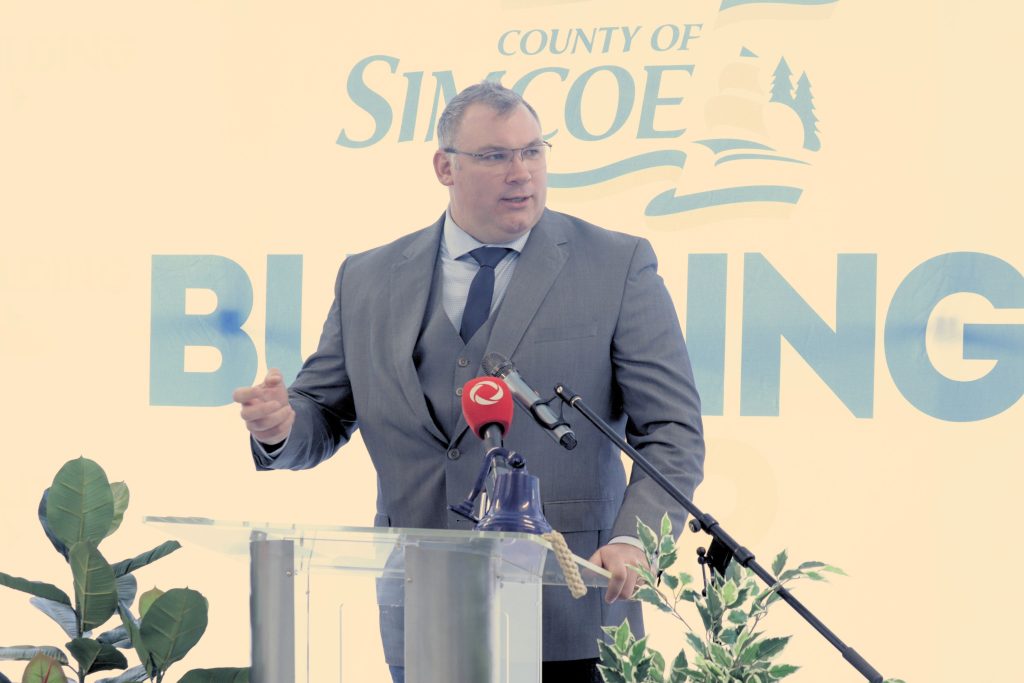
Barrie Mayor Alex Nuttall noted the importance of having City officials present for the information sessions.
"Part of [continuing our effort] is understanding what each other do and where the opportunities lie that we haven't fully realized yet," he told Barrie360. "Anything we can do to work together to find ways to encourage people into support and into help, we're going to focus on.
Since declaring a state of emergency on encampments in September, Nuttall has been outspoken about getting people help and out of poor situations, adding that he regularly hears stories come through City Hall about people affected by addictions and homelessness.
"Without the HART Hub, we wouldn't be able to fulfill that vision where Barrie is a place where you can get help and support and move your life forward, rather than a place where you live in violence and encampments," he added
Participants at the showcase were split into five groups, and rotated through stations focused on Indigenous pathways, supportive housing, navigation, treatment, and community-based supports. There, they would learn about both the workers' and client's experiences and hear some stories and impacts.
"Someone who might be experiencing homelessness and experiencing challenges with addiction or mental health is now able to traverse through all these different supports in order to ultimately end up in a supportive and permanent housing environment and end their homelessness," Fayez-Bahgat added.
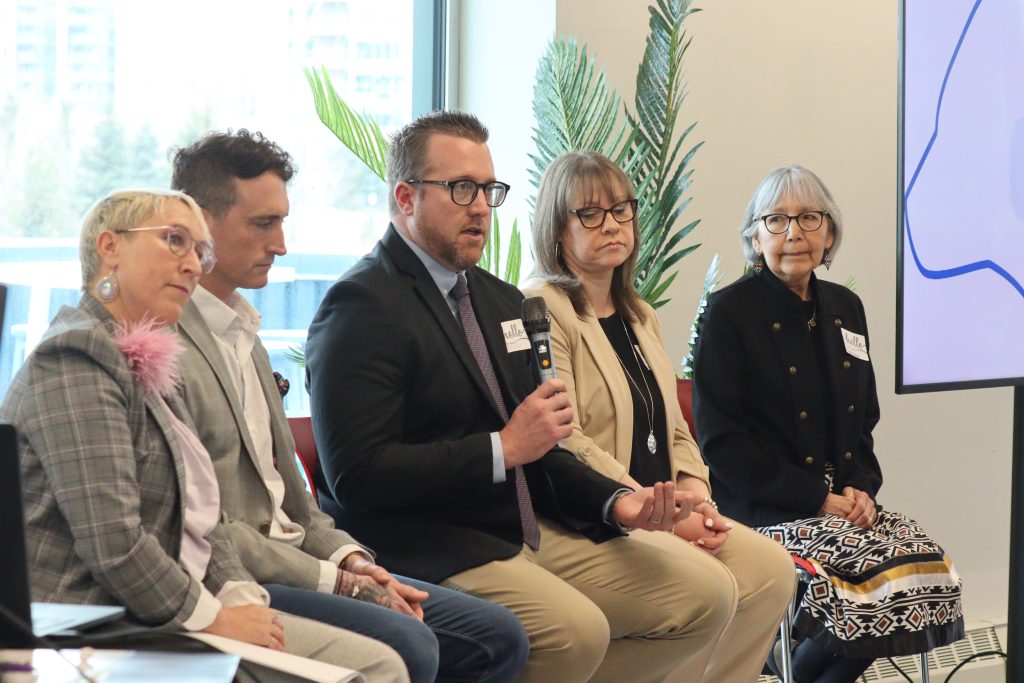
The event concluded with a panel Q&A session with representatives from the Canadian Mental Health Association, Royal Victoria Regional Health Centre (RVH), Waypoint Centre for Mental Health Care, Mamaway Wiidokdaadwin IIPCT, and the Barrie Native Friendship Center.
Many of the questions for the panel concerned first contact, and how workers help those in the program find housing.
"I'm hoping that they'll be able to take away that success looks different for everyone," Drake says. "And how all of the organizations and agencies have come together to be able to support individuals all across the county in going through this journey."
That housing supply is still the biggest focal point in the HART Hub effort, for both the City of Barrie and the County of Simcoe.
Nuttall says that between the City and County, there are more affordable housing units being built than individuals that are homeless or on the edge of homelessness in Barrie.
"As those units are completed and hit market, we're going to be in an incredibly strong place a year to two years from now," he said.
At Wednesday’s executive committee meeting, Barrie city clerk Wendy Cooke said more than 700 people had been connected to homelessness services in the past 30 days.
She also noted that residents are expected to begin moving into the city’s 40-bed modular housing project on Tiffin Street in the coming days.