As an electrician, David Clark knows there are countless "niche" risks when he's on the job.
A fluke accident could endanger his own safety, or that of a client, not to mention the possibility of causing damage to the expensive equipment he carries to a job site.
While those risks are always top of mind, there are even some he hadn't thought of when he started his business, DSD Electric, and took out insurance three years ago.
Clark points to his errors and omissions coverage with TD — something that could come in handy if, for example, he's operating in a commercial space and his electrical work accidentally causes damage to equipment integral to his customer's business operations.
Barrie's News Delivered To Your Inbox
By submitting this form, you are consenting to receive marketing emails from: Central Ontario Broadcasting, 431 Huronia Rd, Barrie, Ontario, CA, https://www.cobroadcasting.com. You can revoke your consent to receive emails at any time by using the SafeUnsubscribe® link, found at the bottom of every email. Emails are serviced by Constant Contact
Without such coverage, he could also be liable if a power outage on his watch interrupts the client's workflow, resulting in lost revenue.
"There's certain things that you don't know for sure you're going to need until it happens," Clark said, "and you always want to be covered for those specific things."
Insurance providers say small business owners starting out often face surprises about the type and level of coverage they need. Finding the right plan depends on a variety of risks they could be exposed to, based on factors such as the size of their company and field of work.
For instance, a bakery owner will have very different insurance needs than a contractor, said Tang Trang, vice-president of small business insurance at TD Insurance.
"So often, the coverage is having to adapt to the type of activities that the business owner is doing," he said.
While a baker would need a policy that includes basic liability insurance and coverage for kitchen equipment, they also likely need to think about business interruption coverage in case they're ever forced to temporarily shutter from a fire or flood.
Others who aren't bound to a fixed location would likely need a form of auto coverage.
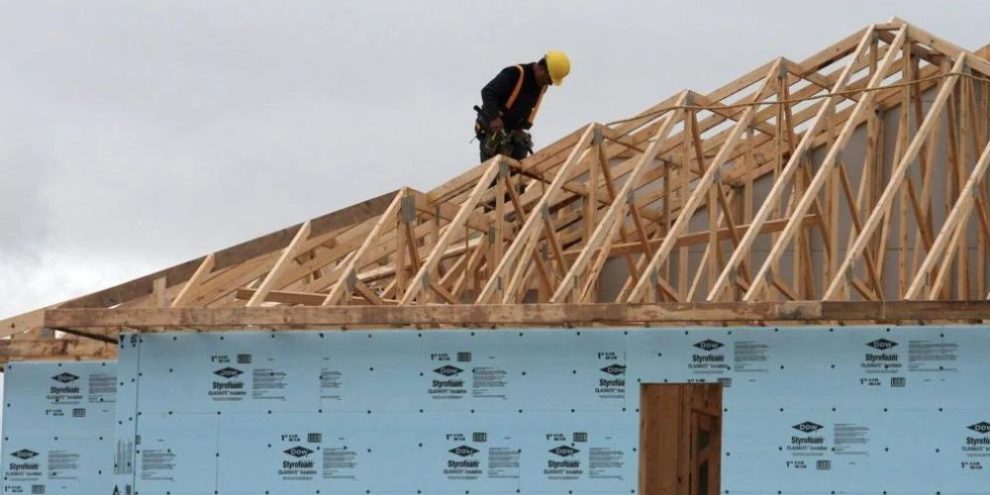
"Contractors, they might need a different type of insurance because as part of the operation, they need a car or a pickup van," said Trang.
"They need to drive the tools and equipment from one site to another."
Meanwhile, those starting a business from home may not realize the need for separate coverage from their existing home policy, he said, as insurers will often deny such claims if a business link is discovered.
"You may be working in a home business, let's say as a massage therapist. There's clearly a dedicated space where customers can walk in, so (you're) receiving clients. The massage therapist potentially has specific equipment as well that are solely dedicated for the business," said Trang.
"Although all of those things are located at home, they are not necessarily covered by your home policy because it's clearly a business activity."
Trang acknowledged that insurance costs can be seen as a burden for startups looking to dedicate as much of their budget as possible toward growing the business from scratch.
While it could be tempting to cut corners, he stressed the importance of limiting risk.
"When unfortunately a fire happens or a catastrophe happens, they may realize they don't have the insurance they would have benefited from," he said.
In a late 2024 survey, the Canadian Federation of Independent Business said insurance costs had become a top concern for more than two-thirds of small businesses, with half experiencing an increase of 10 per cent or more in their insurance premiums over the previous 12 months.
Those hikes would equate to at least $1,500 more per year in insurance premiums for a typical small- or medium-sized business, according to the federation.
Its latest monthly business barometer report last month echoed those concerns, as 69 per cent of small business owners said insurance costs were a key constraint hindering growth, second only to tax and regulatory expenses.
One of the reasons those costs are so high is due to limited options that fit the needs of small firms, said Jasmin Guenette, vice-president of national affairs at CFIB.
He said although there are many insurance companies in Canada, small businesses may find that some coverages related to their specific sector aren't universally offered by insurers.
"Some sectors are seen as high risk. For example, the trucking sector is seen as high risk because of drivers being on the road all the time," said Guenette.
"Depending on your business, the price is influenced by many factors. One is the risk. (Another) is the number of insurers willing to be in the sector you are in, and the size of your business."
He said commercial insurance can be "complex" for small firms to navigate, especially when it seems far-fetched to envision certain protections ever being needed down the road.
"It could be several years without having any claims, so it's always a judgment call whether or not you base your decision on faith or you base your decision on risk analysis," said Guenette.
For Clark, the peace of mind is worth the cost.
The Toronto electrician said the less risk the better for his growing business, which is why he aims to have "every bit and piece covered" under his insurance plan.
"You've got to make sure you have your butt covered," he said.
"You never know what's going to happen, like, you go outside and your van's gone. I have a lot of tools in my van that are my livelihood. Without them I can't do anything with just my bare hands."