
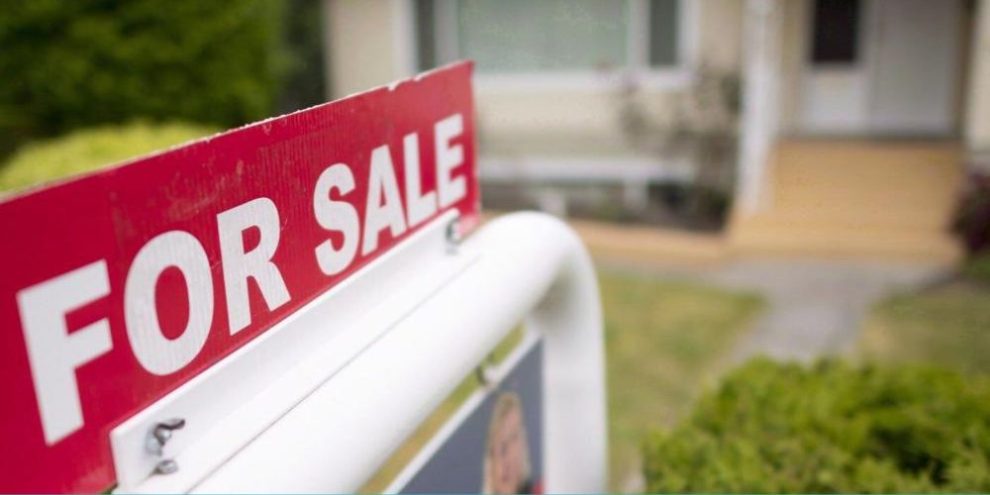
As part of their offer on a Toronto home last month, Jarrod Armstrong asked his clients to write a personal letter to the seller.
The family selling the property had lived there for 45 years and were emotionally invested in who the new owners would be, said Armstrong, a Realtor with the Armstrong Team. He thought a personal letter would increase his buyers' chances of garnering the winning bid.
So Armstrong's clients wrote the letter. But instead of gushing about the place, the buyers outlined their intentions to gut the property and build a new house — contrary to what most sellers want to hear.
"I don't think any homeowner wants to hear that it's going to be a teardown," Armstrong said.
Barrie's News Delivered To Your Inbox
By submitting this form, you are consenting to receive marketing emails from: Central Ontario Broadcasting, 431 Huronia Rd, Barrie, Ontario, CA, https://www.cobroadcasting.com. You can revoke your consent to receive emails at any time by using the SafeUnsubscribe® link, found at the bottom of every email. Emails are serviced by Constant Contact
However, his clients had a weak housing market on their side. It turns out, the note didn't matter much because ultimately, the sellers still picked Armstrong's clients as they had the highest bid.
In a hot housing market with fierce competition and bidding wars, some buyers have resorted to writing a letter describing how much they love a property in hopes of swaying a seller to choose them as the winning bidder. But now, a softening housing market has changed the role of those personal letters.
Rhiannon Foster, a Vancouver-based real estate agent, said she doesn't ask her clients to write a letter in most cases.
"That traditional sense of the buyer love letter just isn't needed anymore," she said. "The sellers are concerned with one thing and that is the bottom line price."
Armstrong agrees. It was an effective tactic when two offers were of identical value and an emotional tug could pull a seller one way or another. But that's not relevant anymore.
"The old market versus today's market are two different stories," Armstrong said.
"In the old market, when there were 40 showings in a week, there were 15 offers on offer night," he said. Now, there are fewer bids on homes and almost no multiple offers on condos.
Last month, the Canadian Real Estate Association downgraded its forecast for home sales activity in 2026 again after it lowered its estimates in April and January. The association said its revised forecast reflects a weak first half of the year, which included a slightly delayed start to the housing market’s long-awaited recovery.
As a listing agent sitting down with a seller, Armstrong said the idea is to pick the highest offer.
"I've never met a seller that wants less money for their home, and I don't think a heartfelt story is really going to change their bottom line," he said.
"If we're asking significantly below asking, but have a pretty letter, 99.9 per cent of sellers are going to wait for the better price, not the better story."
Still, there might be specific situations where a letter could work its magic.
Foster said she only recommends her clients write a note when they are looking to buy heritage properties and are willing to maintain or upgrade them.
"Perhaps it was an older style home, like a mid-century modern, and the buyers weren't going to tear it down very specifically," she said.
Another is to convey pragmatism, such as the conditions of the offer, flexibility on move-in dates and the condition of the house.
For those crafting a note, it's important to come across as genuine, said Ivan Gascho, a Kitchener, Ont.-based real estate broker.
"It has to be authentic," Gascho said. "What you're trying to build is a relationship."
It should be short, with a personal touch and sincere appreciation for the home, thanking the seller for caring for the property. Gascho warned against exaggeration or inventing a story to win the bid. And don't beg for a deal.
"That's not the purpose of the letter. The purpose of a letter is to build kindness," he said.
Gascho said there's no guarantee it could move the needle in favour of the buyer. "It's just a gesture of respect."
Foster said it's better to present a solid offer, whether that includes a larger deposit that's paid within 24 hours of the offer, fewer conditions or quicker move-in dates, to show that a buyer is more serious about the deal.
"In the end, right now, it's still price that would trump the buyer love letter."
This report by The Canadian Press was first published Aug. 3, 2026.